Español
 عربى
 русский
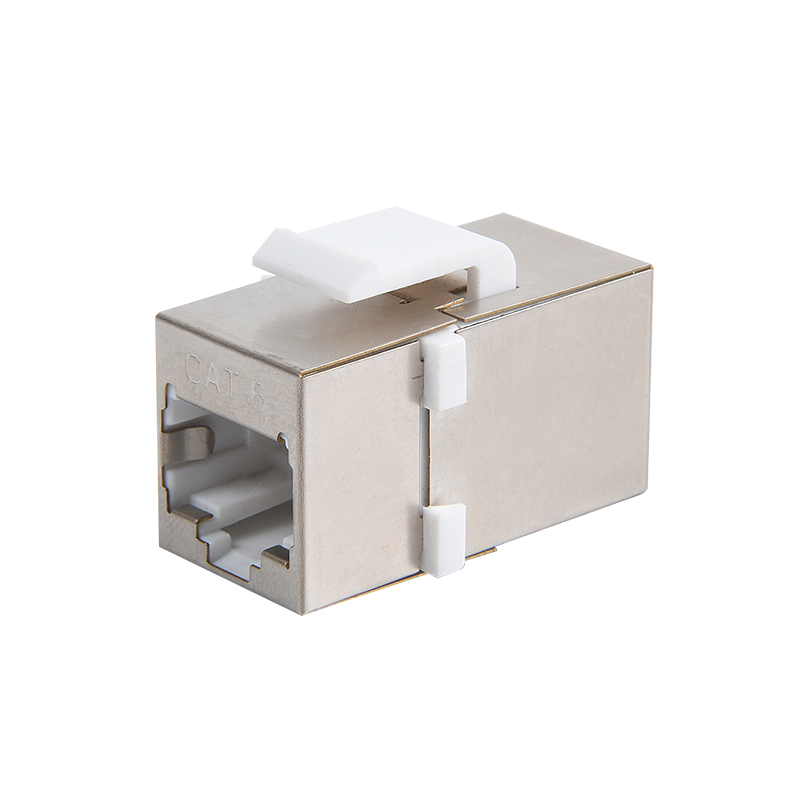
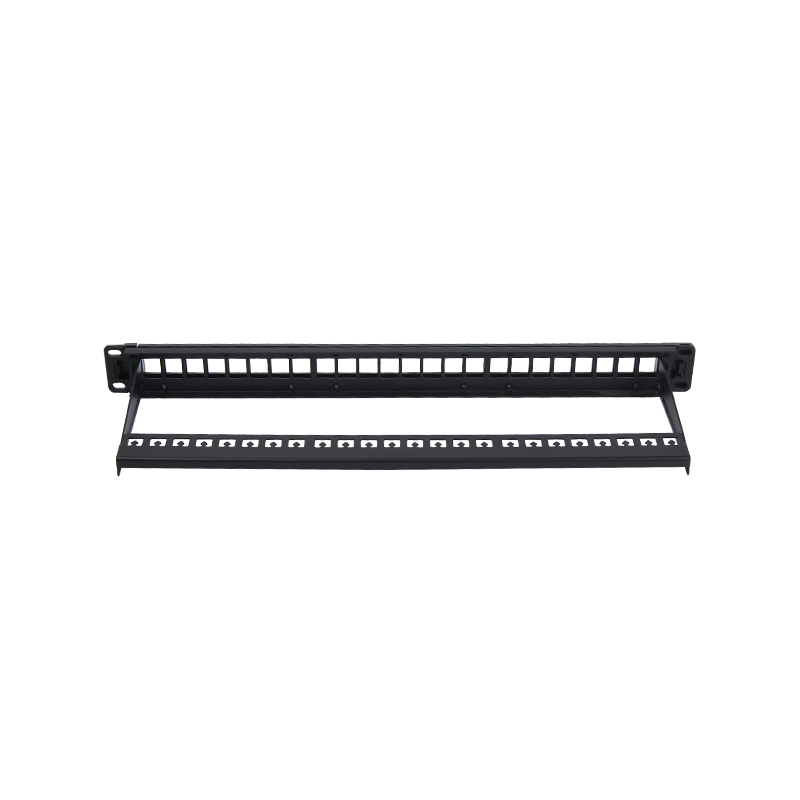
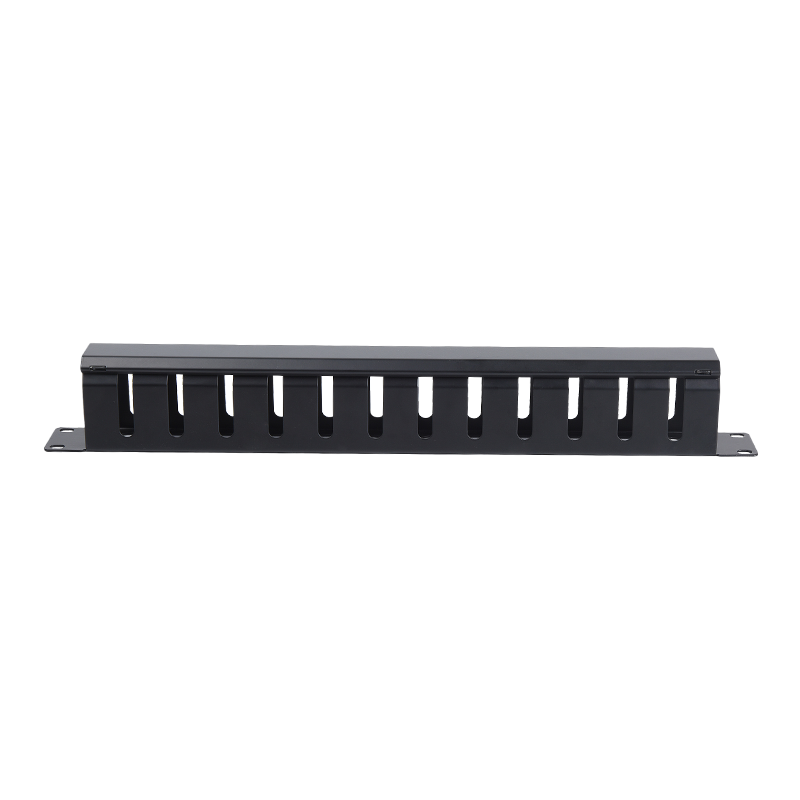
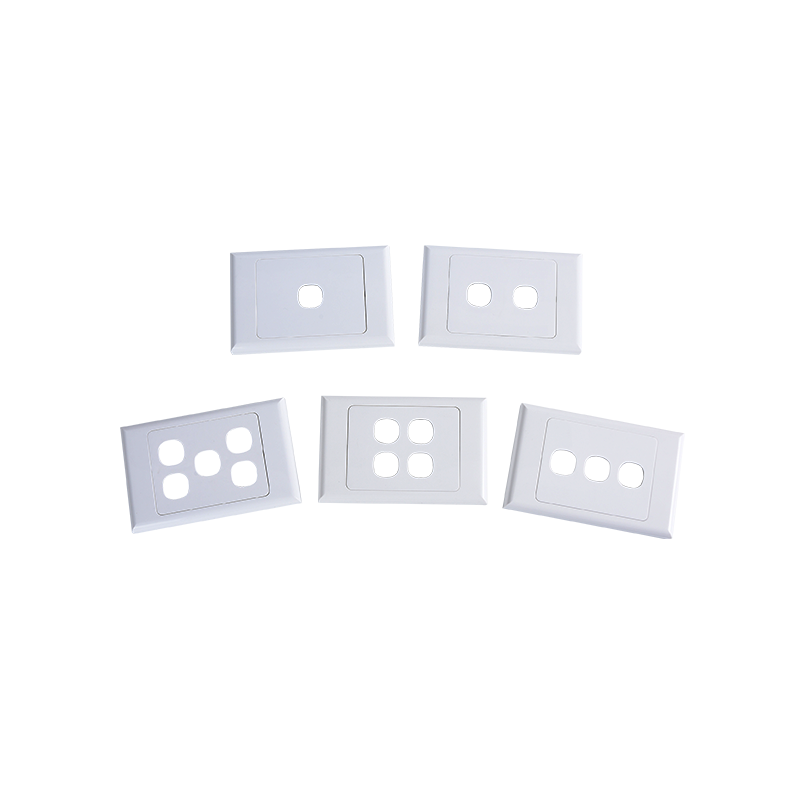
We specialize in network cabling solutions and optical fiber products integrating design, development, sales and service.
Based on the mature research and development system, the quality stability of Simante has been guaranteed at the design source. We have more than 10 engineers and over 30 full-time technical persons who continue to provide their professional value in the position, improving quality and promoting product update.
Simante provides specialized integrated solutions for customers to ensure it meets the customer's requirement. Welcome to visit.
Introduction
A fiber optic patch panel serves the same structural purpose as a copper patch panel - separating permanent cabling from flexible cross-connects - but is built specifically around the mechanical needs of glass fiber, which cannot tolerate sharp bends, dust contamination, or repeated flexing the way copper conductors can.
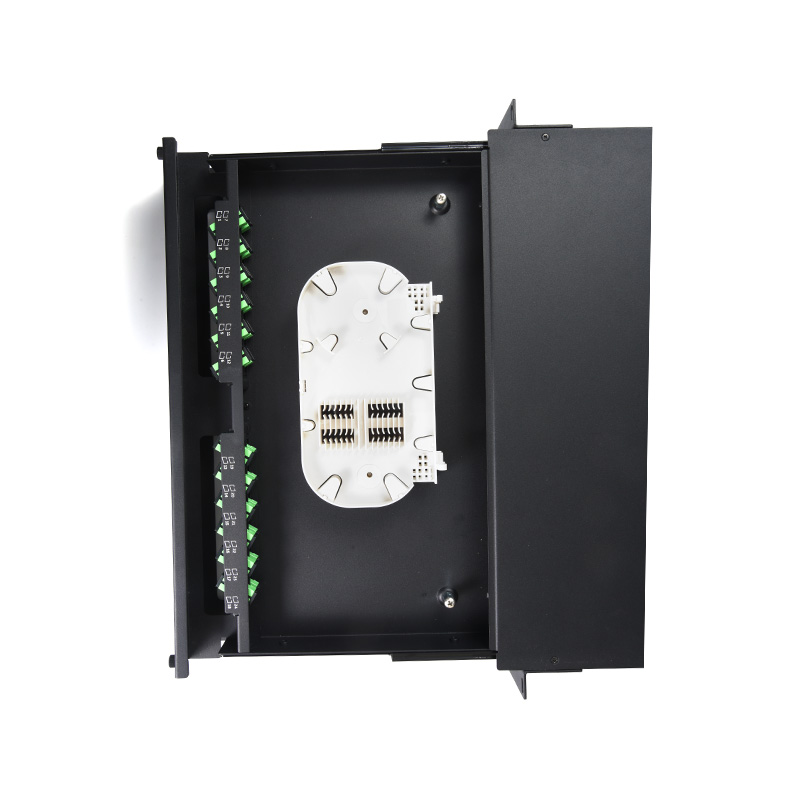
Inside the enclosure, incoming fiber cable is either fusion-spliced onto factory pigtails stored on splice trays, or terminated directly with field-installable connectors, and then routed to the rear of an adapter plate. The front of that same adapter plate accepts a patch cord with a matching connector - LC, SC, ST, or FC - completing the cross-connect to a switch, transceiver, or another panel.
Panels are offered unloaded, so an integrator can install the exact adapter type and fiber polish needed for a given project, or pre-loaded from the factory with a chosen configuration for faster deployment. Either way, the modular adapter plates are field-replaceable, so a panel originally set up for SC connectors can later be reconfigured to LC without replacing the entire enclosure.
Housings are built from SECC cold-rolled steel for rigidity and EMI shielding, with rounded internal routing guides that maintain the fiber's minimum bend radius throughout the enclosure. Cable enters through grommeted front or rear ports, and most models include dedicated splice tray space for fusion splices, which typically deliver lower insertion loss than mechanical or field-polished connectors.
Both singlemode (OS2, yellow jacket) and multimode (OM3/OM4, aqua jacket) fiber can be accommodated, though a given panel is generally configured for one fiber type per adapter plate to avoid accidentally mating incompatible connectors, which is a common and costly source of link failures.
Application
Fiber optic patch panels are used wherever a network needs to cover distance, bandwidth, or electrical isolation beyond what copper cabling can deliver. The most common application is the building or campus backbone - the fiber run between a main distribution frame and each floor's or building's telecom closet - where a patch panel at each end provides a clean cross-connect point.
Data centers use fiber patch panels extensively for top-of-rack to end-of-row and end-of-row to core switch connections, where 10G, 40G, and 100G links depend on singlemode or multimode fiber rather than copper. High port-density panels let a single rack unit terminate dozens of fiber strands feeding multiple switches.
Telecommunications rooms and central offices use fiber panels as the demarcation point between service provider fiber and internal building cabling, often paired with splice trays to fusion-splice the incoming outside-plant cable onto more manageable pigtails.
Campus environments - universities, hospitals, and corporate parks with multiple buildings - rely on fiber patch panels at each building entrance to terminate the inter-building backbone, since fiber's immunity to electrical interference and long-distance reach make it the standard choice for outdoor or underground runs.
Security and surveillance networks with cameras spread across a large site, and industrial facilities where electrical noise would degrade a copper signal, also use fiber patch panels to bring those long or noisy runs back to a central point cleanly.
Increasingly, fiber-to-the-desk and passive optical LAN (POL) deployments bring fiber patch panels down to the floor distribution level as well, terminating individual runs to workstations in the same way a copper patch panel would, but with the bandwidth and distance headroom fiber provides.
Specification
| Port Capacity | 12 / 24 / 48-Port (adapter dependent) |
| Adapter Type Supported | LC, SC, ST, FC (simplex/duplex) |
| Fiber Compatibility | Singlemode (OS2) and Multimode (OM3/OM4) |
| Panel Type | 19-inch rack-mount, loaded or unloaded |
| Rack Unit Height | 1U / 2U |
| Housing Material | SECC cold-rolled steel |
| Cable Entry | Front and rear, with strain-relief grommets |
| Splice Tray Capacity | Up to 6 trays (model dependent) |
| Adapter Plate | Modular, field-replaceable |
| Typical Insertion Loss | 0.3dB or less (adapter dependent) |
| Compliance | Telcordia GR-1209, GR-326 |
| Mounting | 19-inch rack or wall-mount bracket |
| Color | Black |
Installation, Troubleshooting and FAQ
- Q: What is a fiber optic patch panel used for?
- A: It is the fixed termination and cross-connect point for fiber cabling in a rack, protecting fragile fiber strands and allowing them to be patched to switches or other panels using short fiber jumper cables.
- Q: What is the difference between LC and SC adapters?
- A: LC connectors use a smaller push-pull latch and footprint, allowing higher port density per rack unit, while SC connectors are larger with a push-pull mechanism and remain common in telecom and legacy installations; the two are not physically interchangeable.
- Q: Can singlemode and multimode fiber share the same panel?
- A: Yes, a single enclosure can hold both fiber types on separate adapter plates, but each adapter row should be clearly labeled and kept separate to avoid accidentally connecting a singlemode patch cord into a multimode link or vice versa.
- Q: How do I clean fiber connectors on a patch panel?
- A: Use a dedicated one-click fiber cleaner or lint-free wipes with isopropyl alcohol on both the patch cord ferrule and the adapter sleeve before every mating, since even microscopic dust on the fiber end face is a leading cause of high loss and intermittent link errors.
- Q: Do I need a splice tray with my patch panel?
- A: A splice tray is needed only if the incoming fiber will be fusion-spliced onto pigtails inside the panel; if the cable arrives already terminated with factory connectors, the fiber can be routed directly to the adapter plates without a splice tray.
- Q: How much signal loss should I expect through a fiber patch panel?
- A: A well-terminated connection through a quality adapter plate typically adds around 0.3dB or less of insertion loss per mated pair, which is small enough that a properly designed link budget can accommodate several patch panel connections along its path.
- Q: Loaded versus unloaded fiber panel - which should I buy?
- A: Choose a loaded panel for faster deployment when the connector type and fiber count are already known, and an unloaded panel when flexibility to select adapter type later, or to phase in fiber counts over time, is more valuable.
- Q: How is a fiber patch panel mounted in the rack?
- A: Most panels mount directly to a standard 19-inch rack using the included rack ears and screws, either fixed in place or, on sliding-drawer models, pulled forward on rails for easier access during splicing or maintenance.