Español
 عربى
 русский
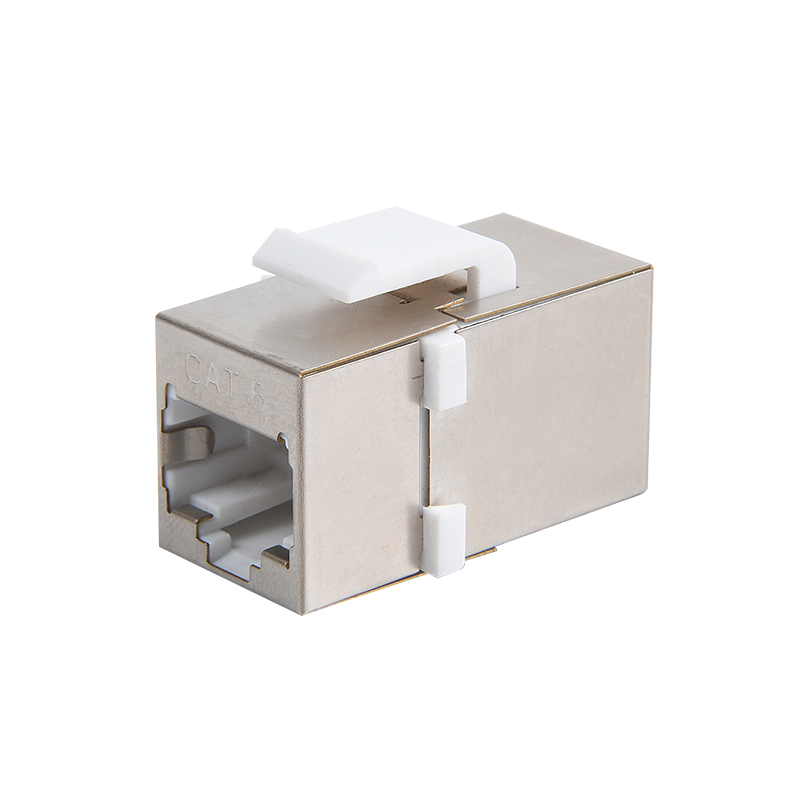
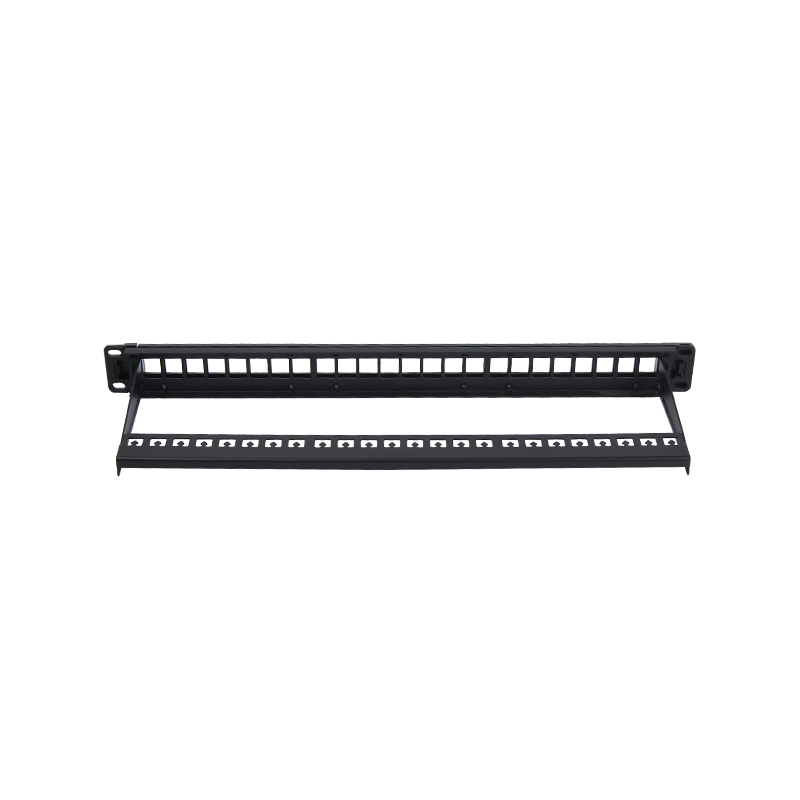
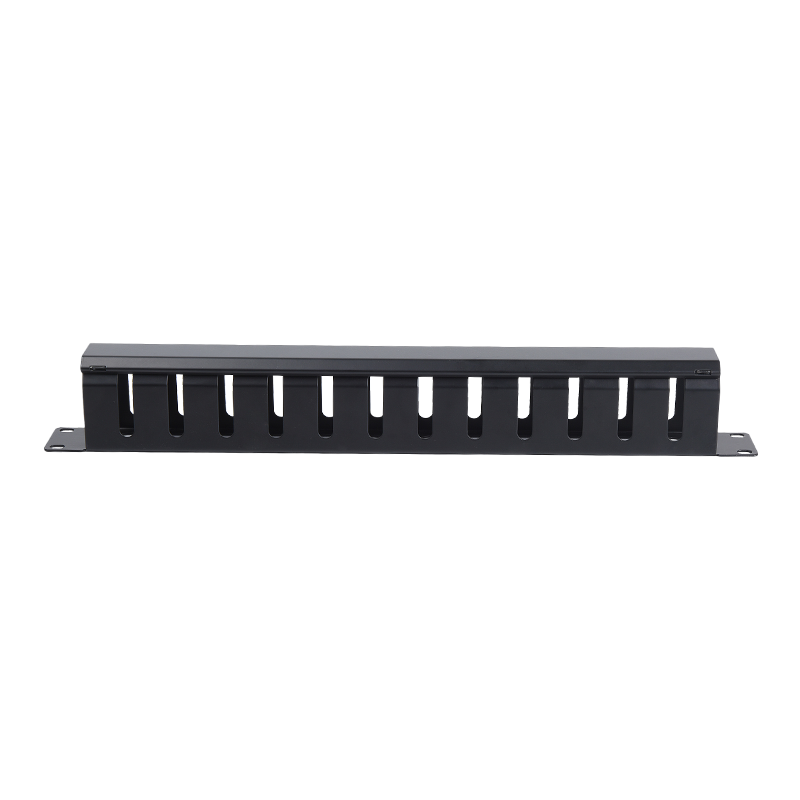
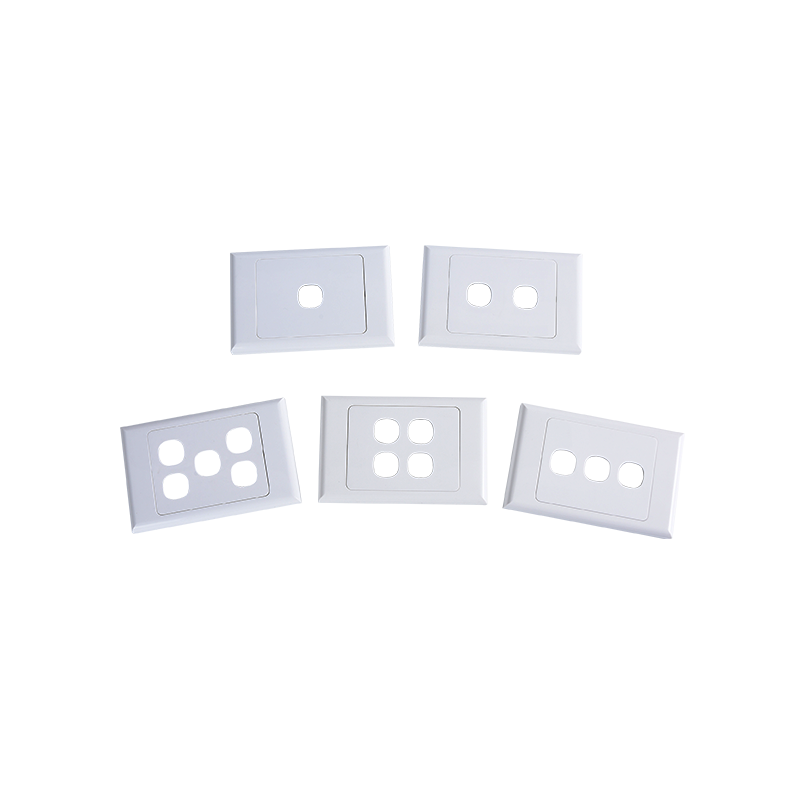
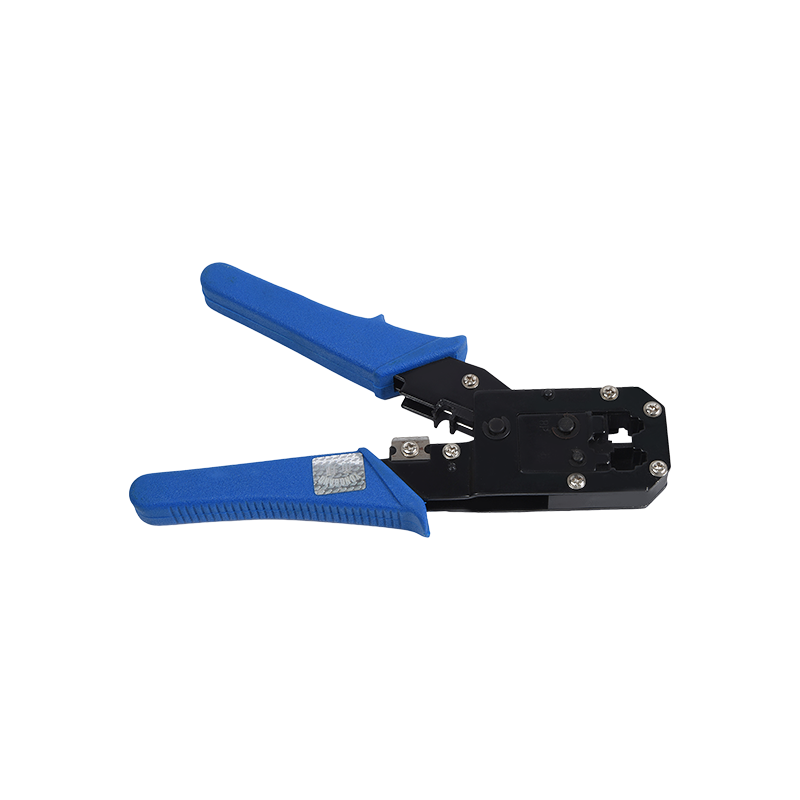
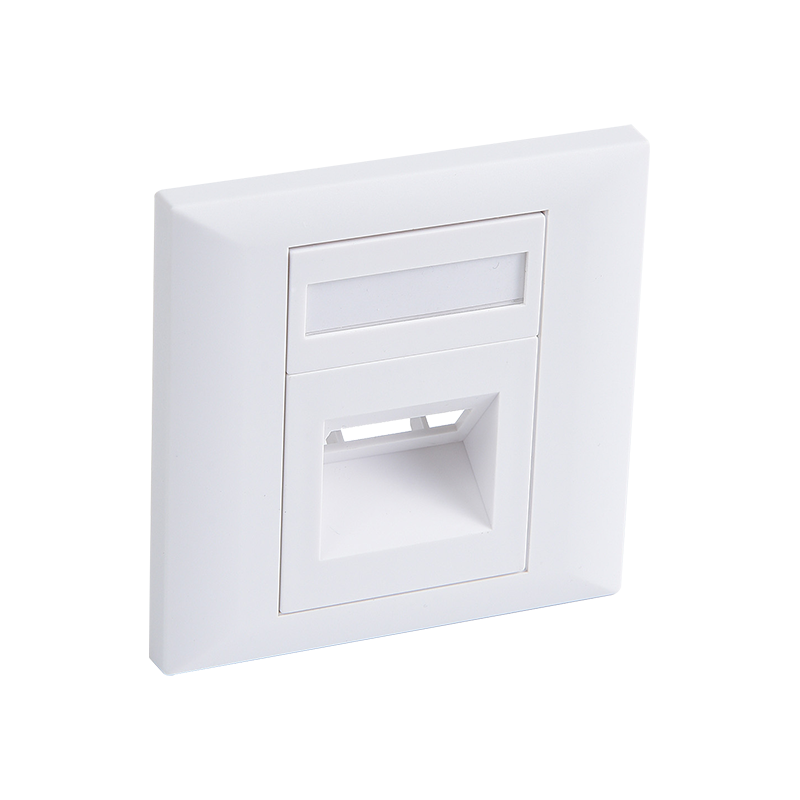
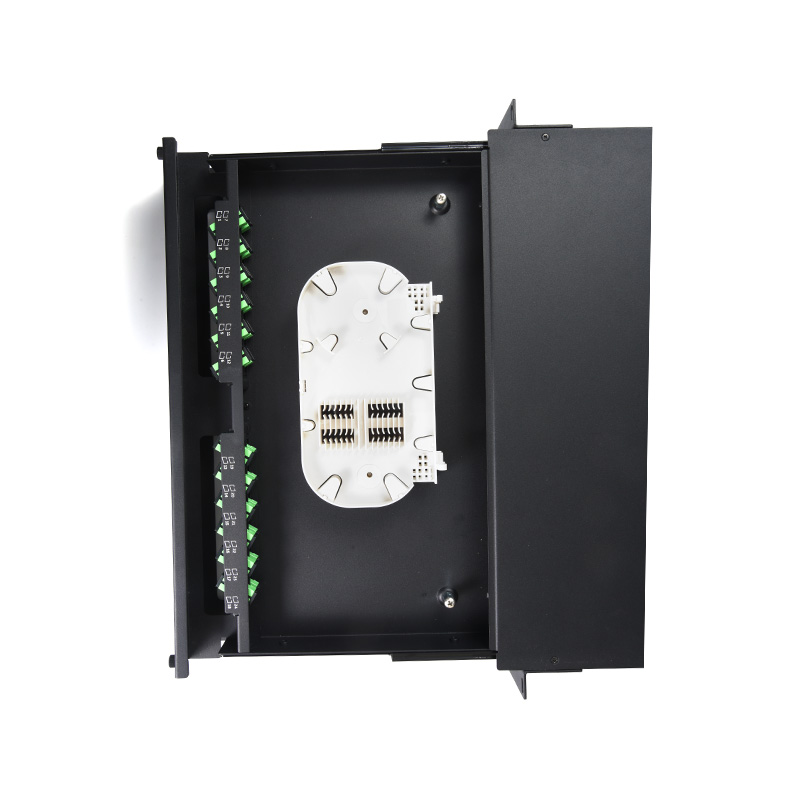
We specialize in network cabling solutions and optical fiber products integrating design, development, sales and service.
Based on the mature research and development system, the quality stability of Simante has been guaranteed at the design source. We have more than 10 engineers and over 30 full-time technical persons who continue to provide their professional value in the position, improving quality and promoting product update.
Simante provides specialized integrated solutions for customers to ensure it meets the customer's requirement. Welcome to visit.
Introduction
Structurally, a pigtail looks like half of a fiber patch cord: a tight-buffered fiber with aramid strength members and an outer jacket, terminated and polished on one end exactly like a patch cord connector, but with roughly 30–50 mm of bare fiber exposed at the other end specifically prepared for fusion splicing. That bare end is spliced to the outside-plant cable or a fiber ribbon inside a splice tray, and the connectorized end plugs directly into an ODF, splice closure adapter panel, or media converter.
Because the connector end is factory-polished under controlled conditions, insertion loss at the connector is far more consistent than a connector polished in the field would be — the only variable left for the installer is splice loss, which is typically well under 0.1 dB with a good fusion splicer. Pigtails are usually sold in bulk, color-coded sets matching standard fiber-count color codes, to speed up identification when terminating large ODF panels or splice cassettes.
Applications
Fiber optic pigtails are used wherever outside-plant or backbone fiber needs a connectorized termination point:
- FTTH splice closures and optical network terminal (ONT) connection points
- Optical distribution frames (ODFs) in telecom central offices and equipment rooms
- Fiber splicing cabinets and cross-connect points in access networks
- Data center fiber entrance facilities where backbone cable meets patch panels
- Any point where field-spliced fiber needs a repeatable, connectorized interface
Specifications
| Fiber type | OS2 singlemode or OM3/OM4 multimode |
| Connector type | LC, SC, FC, ST (UPC or APC polish) |
| Pigtail length | 1 m or 1.5 m standard, custom lengths available |
| Splice compatibility | Fusion splicing to outside-plant or ribbon fiber |
| Insertion loss | ≤ 0.3 dB typical at the connector end |
| Splice loss (typical) | ≤ 0.1 dB with fusion splicing |
| Jacket color coding | Follows standard fiber-count color sequence |
| Compliance | IEC 61754, TIA/EIA-568-C.3 |
Installation Tips
Strip and cleave the outside-plant fiber precisely to the splicer's specification, keep both the pigtail's bare end and the field fiber clean and dust-free right up to the splice, and store completed splices in a proper splice tray with adequate slack to avoid stressing the fusion point.
Troubleshooting & FAQ
Unusually high loss at a spliced connection is most often a bad cleave angle or contamination on the fiber ends going into the splicer, not a defective pigtail — re-cleave and re-splice before assuming the component is at fault.
- Q: What's the difference between a pigtail and a patch cord?
- A: A pigtail is terminated with a connector on only one end, with the other end bare for splicing; a patch cord is terminated with connectors on both ends and used to jump between two ports.
- Q: Why use a pigtail instead of terminating a connector directly on the fiber?
- A: Field polishing a connector directly onto outside-plant fiber is slower and less consistent than splicing a factory-polished pigtail, which typically gives lower and more predictable loss.
- Q: What splice loss should I expect when fusing a pigtail?
- A: A good fusion splice between matched fiber types typically achieves loss well under 0.1 dB; a poor cleave or contamination can push that much higher.
- Q: What length do fiber optic pigtails usually come in?
- A: 1 meter and 1.5 meter are the most common standard lengths, giving enough slack for splice trays and panel routing without excess bulk.
- Q: What does the color coding on a pigtail set mean?
- A: It generally follows a standard fiber-count color sequence so each fiber position in a multi-fiber cable can be matched to the correct pigtail during splicing.
- Q: Can any fiber type be spliced to any pigtail?
- A: For low-loss results, the pigtail's fiber type should match the field fiber — singlemode to singlemode, and matching multimode fiber grades to each other.
- Q: How should pigtails be stored before splicing?
- A: Keep the connectorized ends capped and the bare ends protected from dust and moisture until immediately before splicing, to avoid contamination at either end.
- Q: How is a pigtail splice tested after installation?
- A: With an OTDR or a light-source/power-meter pair to confirm insertion loss at the splice point falls within the project's acceptable loss budget.