Español
 عربى
 русский
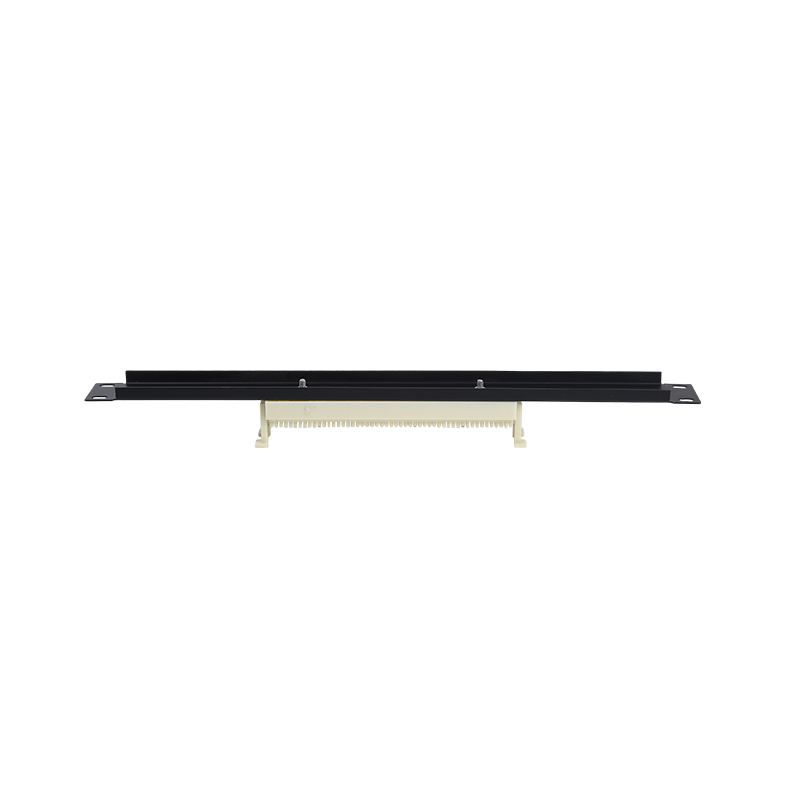
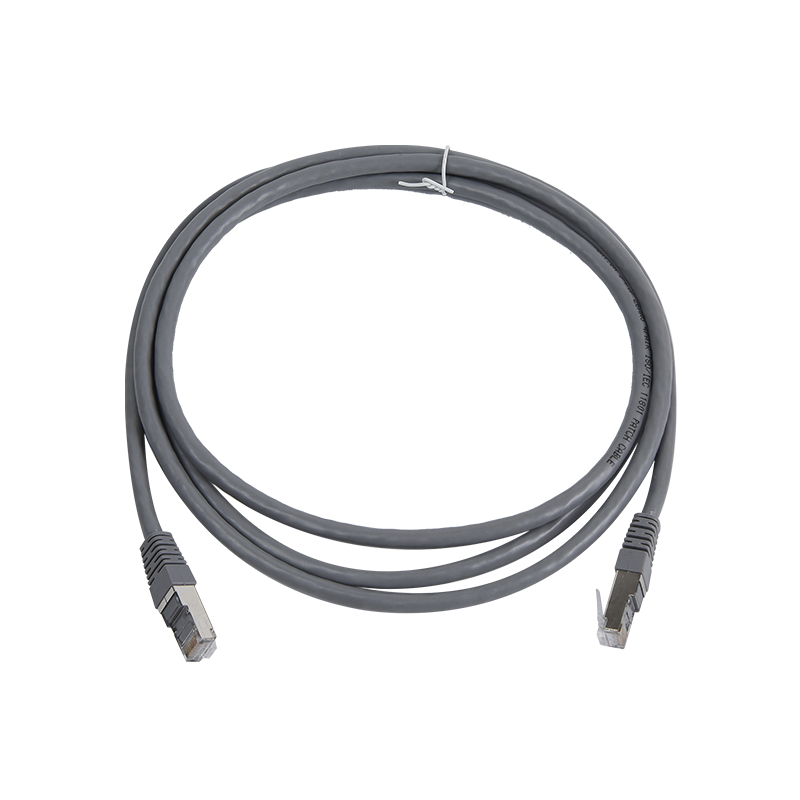
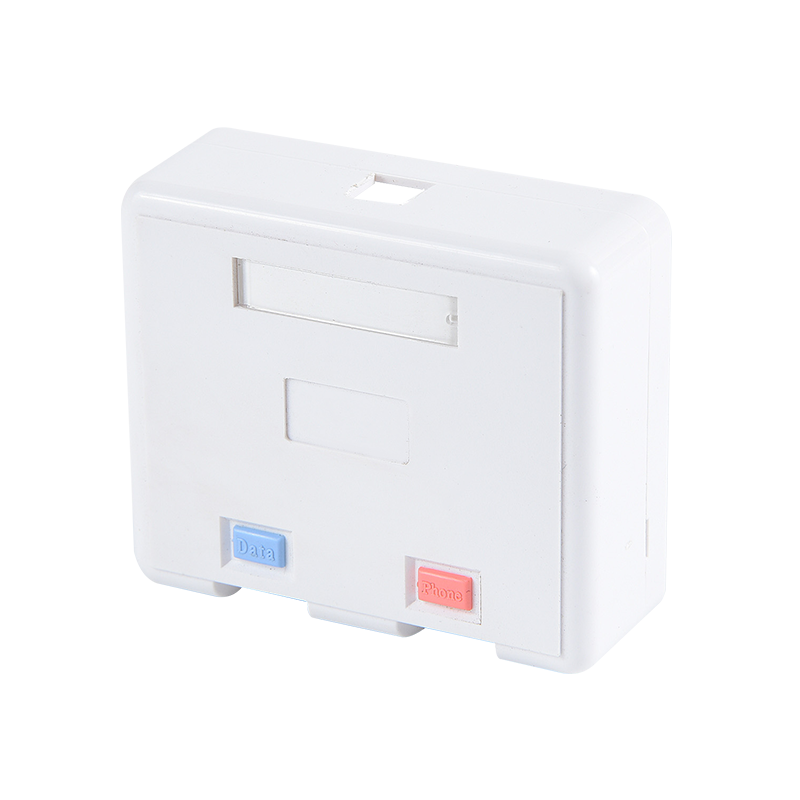
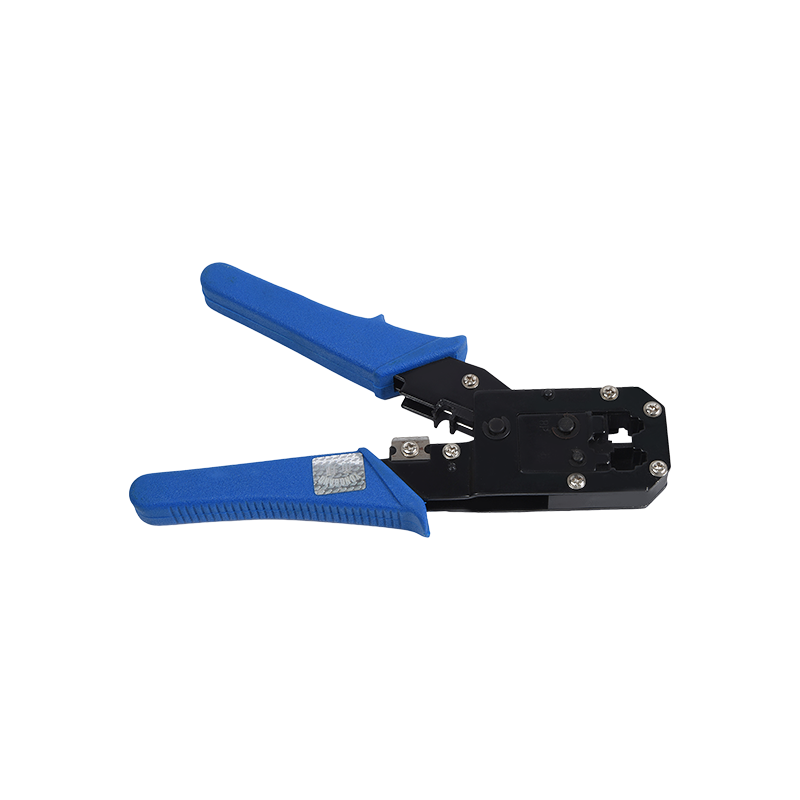
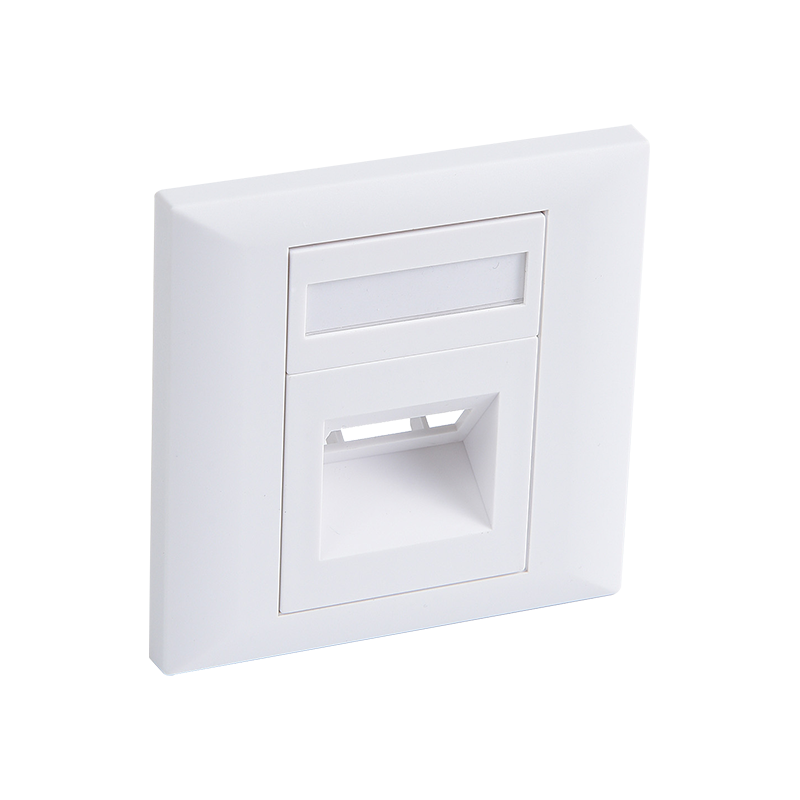
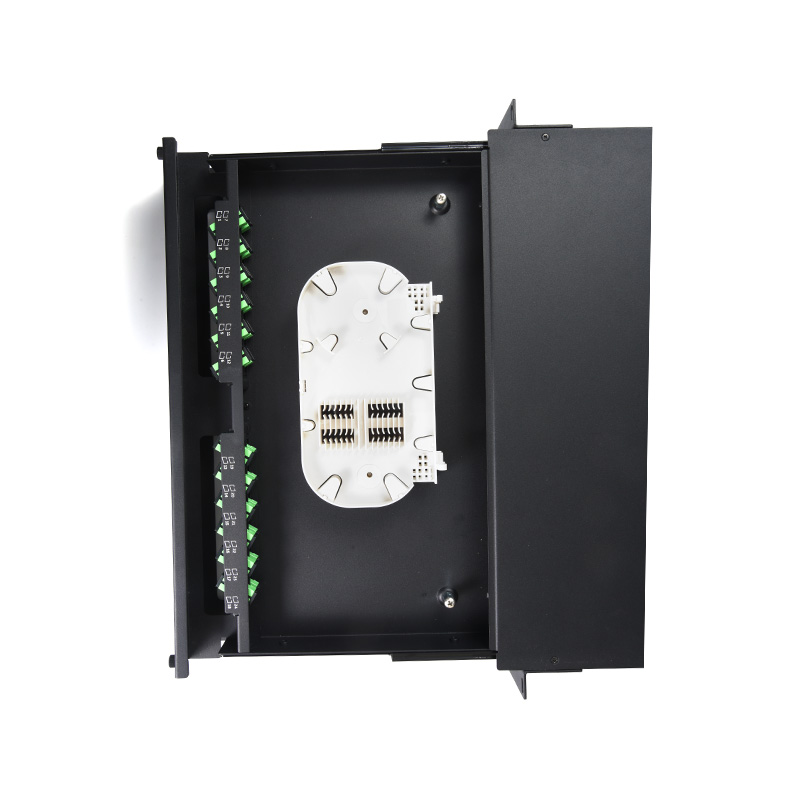
We specialize in network cabling solutions and optical fiber products integrating design, development, sales and service.
Based on the mature research and development system, the quality stability of Simante has been guaranteed at the design source. We have more than 10 engineers and over 30 full-time technical persons who continue to provide their professional value in the position, improving quality and promoting product update.
Simante provides specialized integrated solutions for customers to ensure it meets the customer's requirement. Welcome to visit.
Product Introduction
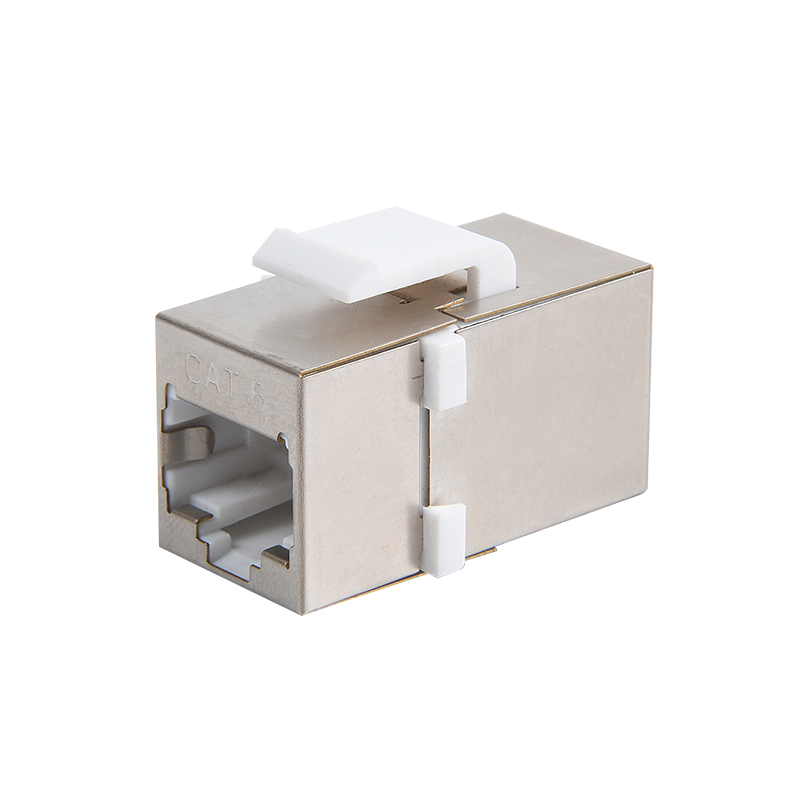
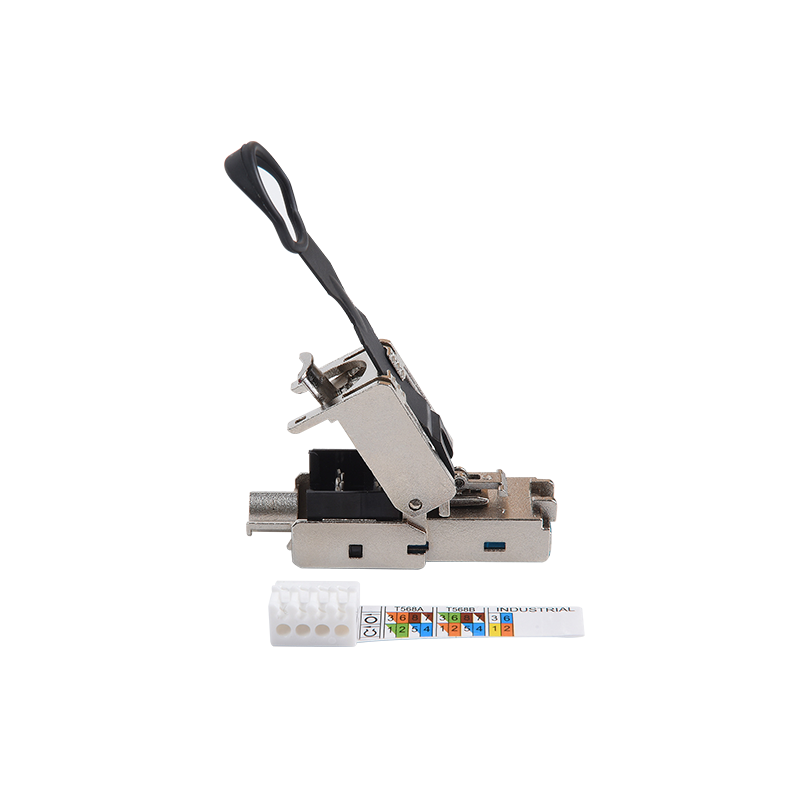
This shielded keystone jack combines category-rated electrical performance with a fully enclosed metal shield shell designed to block external electromagnetic interference and contain internal signal radiation. It is available across multiple performance categories so buyers can match shielding to the exact bandwidth their application requires.
The shield shell surrounds the IDC termination area and connects to a dedicated grounding point, typically a drain-wire clamp or grounding tab, which must be bonded to the patch panel's or wall plate's ground bus during installation. This grounding path is what allows the shield to actually redirect interference rather than simply add a metal enclosure with no functional benefit.
Internally, IDC contacts are gold-plated phosphor bronze, matching the material quality of premium unshielded jacks, and accept standard 22-24 AWG solid copper conductors. The category rating (Cat5e, Cat6, Cat6A, or Cat7) determines bandwidth and data-rate support independently of the shielding, so a shielded Cat6A jack still needs to meet the same Class EA channel requirements as its unshielded counterpart.
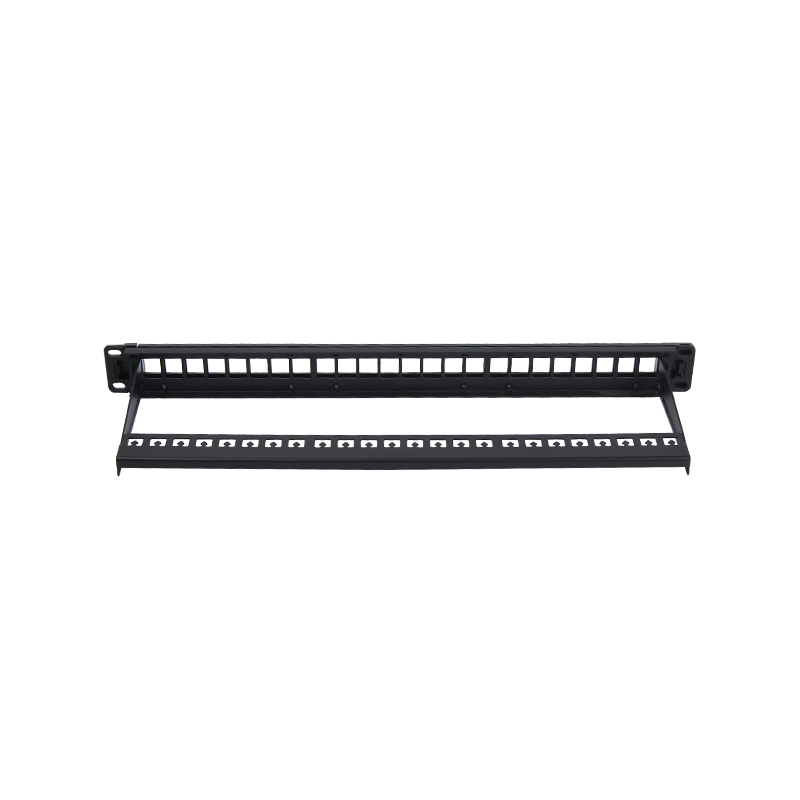
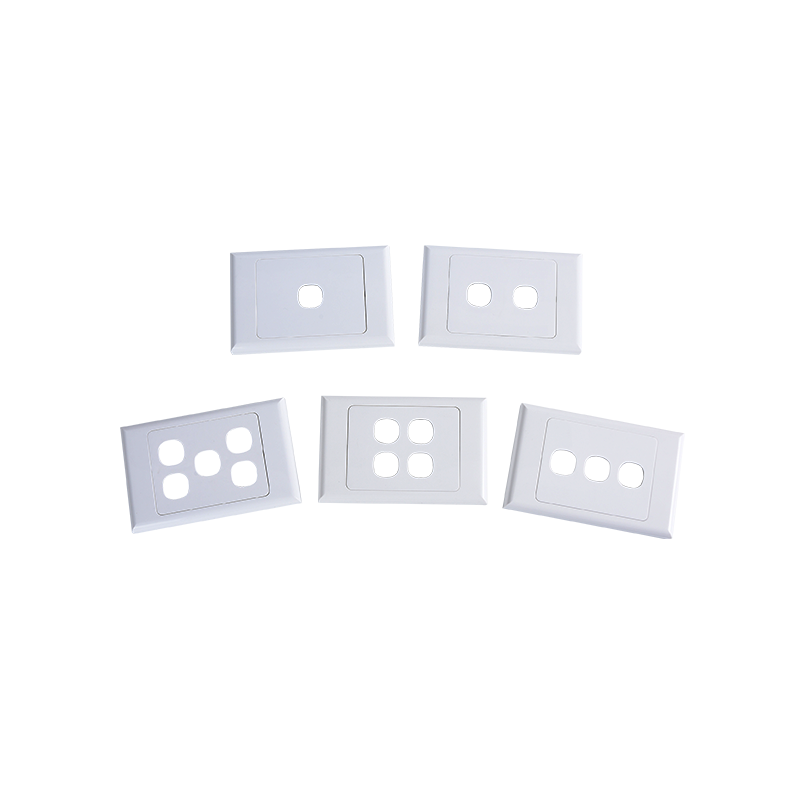
The housing uses the same universal keystone footprint as unshielded jacks and mounts into standard wall plates, surface boxes, and patch panels with the same snap-in mechanism, provided the surrounding faceplate and patch panel also support shielded, grounded installation.
Bulk packaging is standard for larger installations, and shielded jacks are typically available in black, gray, or metal-finish housings, which is common practice for signaling that a port is part of a shielded, grounded system distinct from the building's unshielded ports.
Application Scenarios
Shielded keystone jacks are specified whenever a facility has known or expected sources of electromagnetic interference that would otherwise degrade unshielded cabling performance, or when a project specification explicitly calls for a fully shielded cable plant.
Industrial and manufacturing facilities near variable-frequency drives, large motors, welding equipment, and heavy machinery generate substantial electrical noise; shielded jacks, properly grounded, are one of the most effective ways to protect Ethernet-based control and sensor networks in these spaces.
Broadcast, AV, and data center environments use shielded jacks to protect high-speed signals from crosstalk in extremely dense cable runs, and to prevent interference between adjacent high-bandwidth circuits carrying video, audio, or storage traffic.
Healthcare facilities with sensitive medical equipment sometimes specify shielded cabling near MRI suites, imaging equipment, or other devices that generate or are sensitive to electromagnetic fields, where signal integrity errors could have real clinical consequences.
Government, financial, and secure facilities may require shielded systems as part of broader electromagnetic containment or security requirements, where preventing signal leakage outside a secure space is as important as protecting against incoming interference.
Buildings near high-voltage electrical infrastructure, such as facilities close to elevator machine rooms, transformer vaults, or large HVAC equipment, benefit from shielded runs on any cabling that has to pass near these interference sources, even if the rest of the building uses standard unshielded cabling.
Some organizations also standardize on shielded cabling building-wide as a future-proofing measure, accepting the higher installation cost in exchange for consistent EMI protection regardless of how spaces are used or reconfigured over the building's lifetime.
| Category Options | Shielded Cat5e, Cat6, Cat6A, and Cat7 available |
| Standard Compliance | TIA/EIA-568-C.2 / ISO/IEC 11801 (category dependent), RoHS |
| Shielding Type | Overall shield shell; individually shielded pair options at Cat6A/Cat7 |
| Grounding | Dedicated drain-wire clamp / grounding tab, bonded to patch panel ground |
| Wiring Scheme | T568A / T568B, color coded |
| Conductor Compatibility | 22-24 AWG solid copper |
| Contact Material | Phosphor bronze, gold-plated contact points |
| Termination Type | 110-style shielded IDC punch-down |
| Housing Material | Flame-retardant PC/ABS with metal shield shell, UL 94V-0 |
| Mounting | Standard keystone footprint, snap-in, shielded faceplate recommended |
| Operating Temperature | -10 to 60 C |
| Available Colors | Black, Gray, Metal-finish |
| Packaging | Single, 10-pack, 24-pack, 50-pack cartons |
- Q: Do I need to ground every shielded keystone jack?
- A: Yes. The shield only functions as intended when it has a continuous, low-resistance path to the building's electrical ground through the patch panel and rack grounding system. An ungrounded shielded jack provides little to no real benefit over an unshielded one.
- Q: Can shielded jacks make interference worse if installed incorrectly?
- A: Yes, in some cases. Improper or inconsistent grounding can create ground loops, which may introduce noise rather than eliminate it. This is why shielded systems require more careful installation than unshielded ones.
- Q: Do shielded keystone jacks fit standard wall plates?
- A: They use the same universal keystone footprint as unshielded jacks, so they fit physically, but for full shielding benefit, the wall plate and patch panel should also support shielded, grounded installation.
- Q: Is a shielded jack automatically higher performance than an unshielded one?
- A: Not in terms of bandwidth. Shielding addresses interference resistance, not raw bandwidth; a shielded Cat5e jack still only supports Cat5e speeds, while an unshielded Cat6A jack still supports full 10G performance in low-interference environments.
- Q: How do I know if my building needs shielded cabling?
- A: Look for known interference sources near cable runs, such as large motors, variable-frequency drives, high-voltage equipment, or heavy machinery. If a specific area shows intermittent network issues traced to nearby electrical equipment, shielded cabling in that zone is worth considering.
- Q: Can I mix shielded and unshielded jacks in the same patch panel?
- A: Physically, yes, since both use the same keystone footprint. However, mixing them does not extend shielding benefits to the unshielded ports, so plan the mix based on which specific runs actually need EMI protection.
- Q: What tools are needed to properly ground a shielded jack?
- A: Typically just a small screwdriver or wire-crimping tool to secure the shield drain wire under the jack's grounding clamp or tab, plus a multimeter to verify continuity between the jack's shield and the patch panel ground after installation.
- Q: Are shielded keystone jacks more expensive than unshielded ones?
- A: Yes, generally shielded jacks cost more per unit due to the added metal shield shell and grounding hardware, and installation labor is also typically higher due to the extra grounding steps required.