Español
 عربى
 русский
We specialize in network cabling solutions and optical fiber products integrating design, development, sales and service.
Based on the mature research and development system, the quality stability of Simante has been guaranteed at the design source. We have more than 10 engineers and over 30 full-time technical persons who continue to provide their professional value in the position, improving quality and promoting product update.
Simante provides specialized integrated solutions for customers to ensure it meets the customer's requirement. Welcome to visit.
Product Introduction
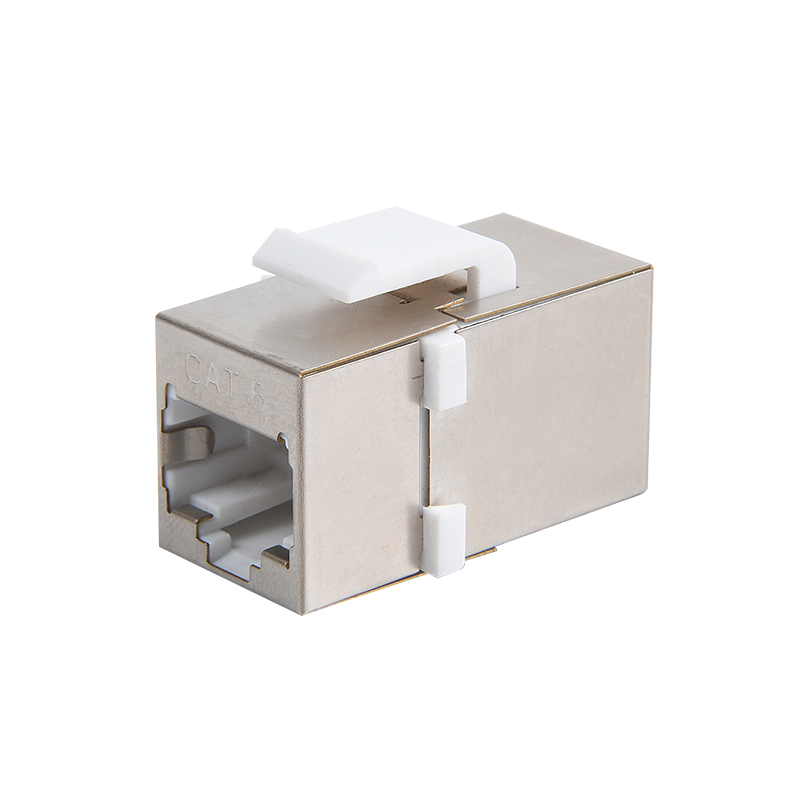
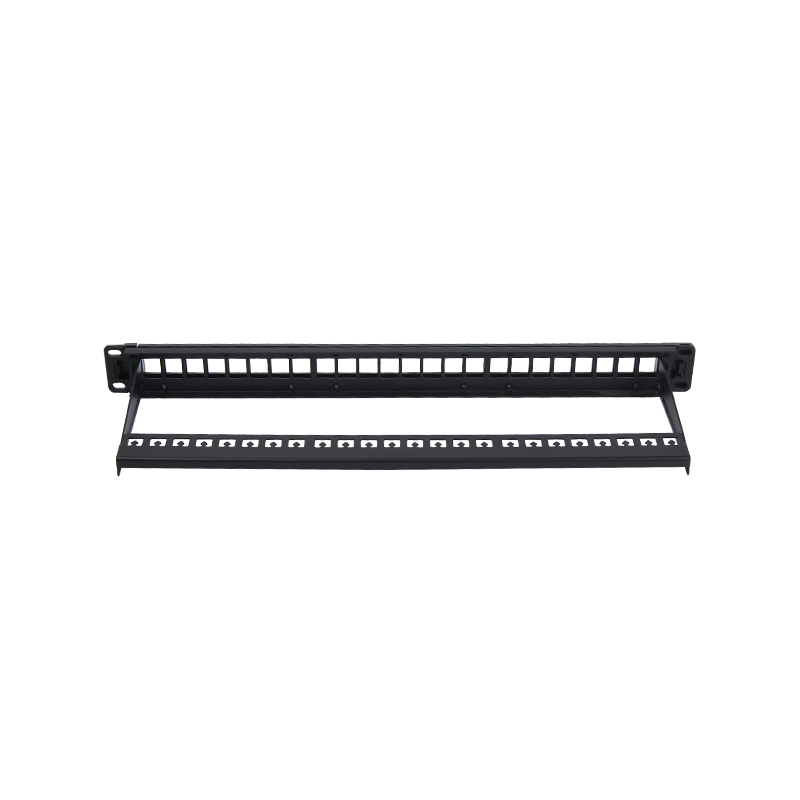
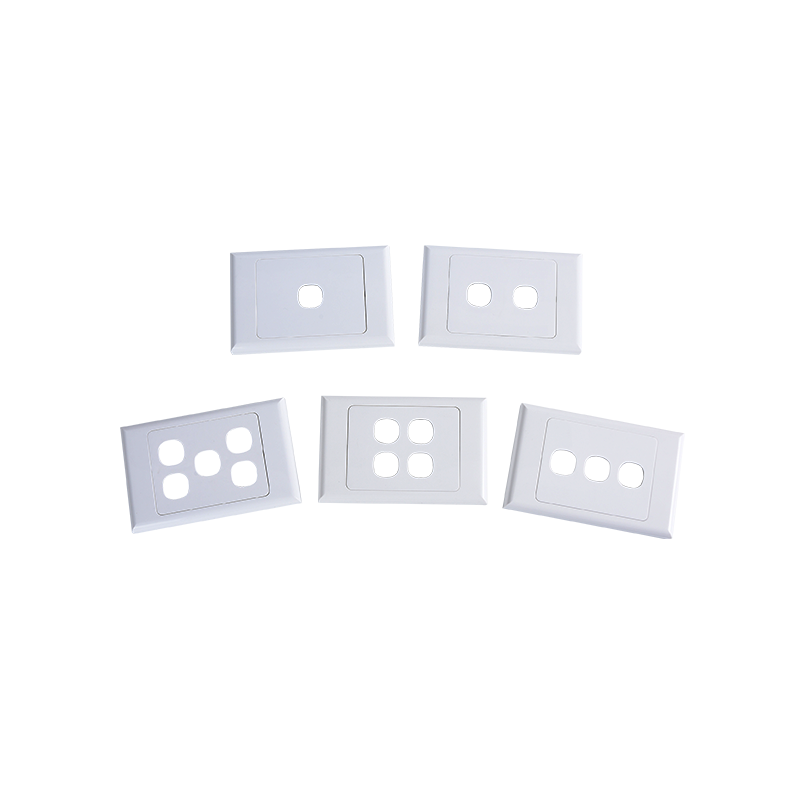
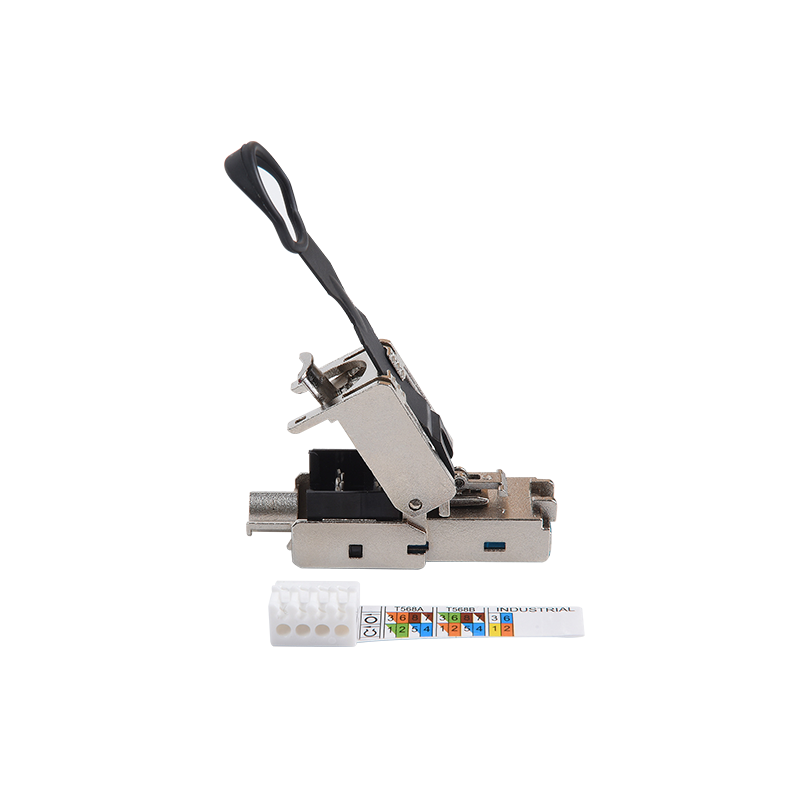
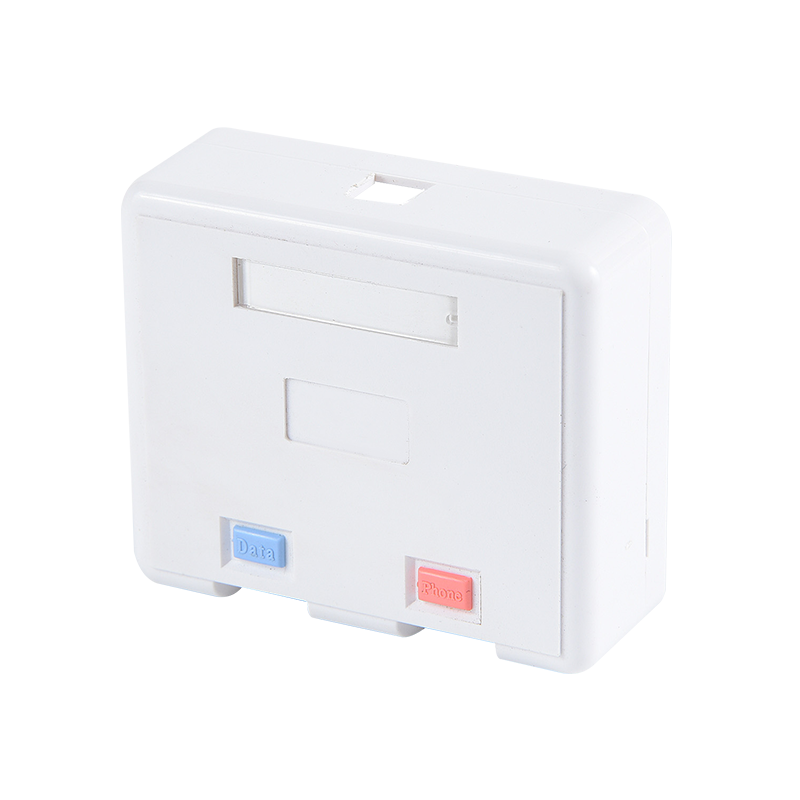
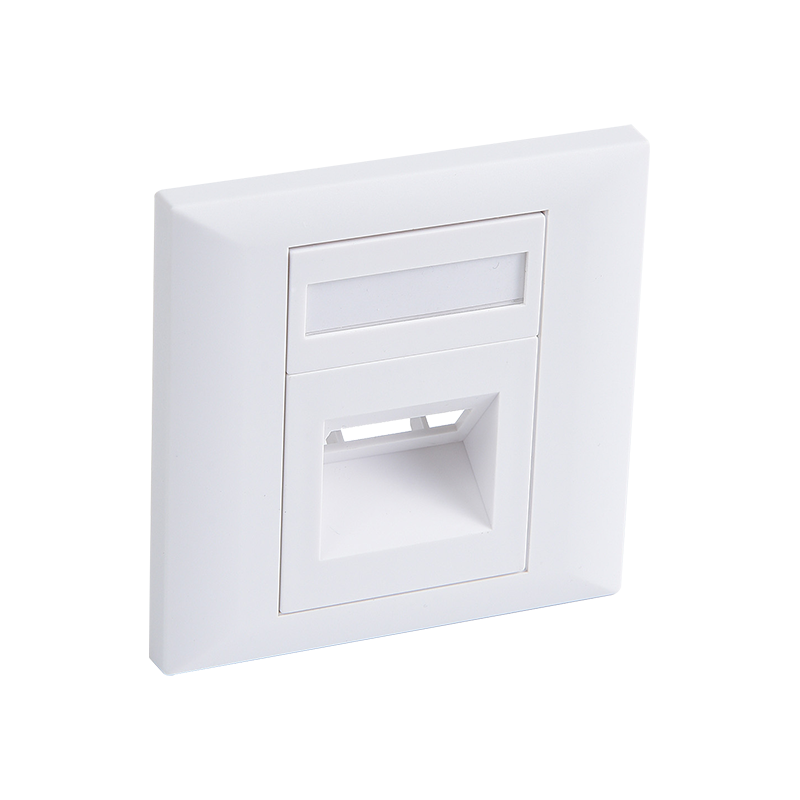
Our keystone jack range is engineered around one simple goal: a connector that performs reliably to its rated specification while still being fast and forgiving to install in the field. Every jack in the line shares a common keystone footprint of roughly 14.5 x 16 mm, so it seats into any standard keystone wall plate, surface mount box, angled patch panel, or blank patch panel opening, regardless of which category or brand of jack sits in the port next to it.
Housing and Materials
The outer shell is molded from high-impact, UL 94V-0 flame-retardant plastic that resists cracking during punch-down and holds its shape under the repeated insertion and removal of patch cords over the life of an installation. Internal contacts are stamped from phosphor bronze for spring consistency and plated with gold over nickel at the mating point, which keeps contact resistance low and stable even after thousands of mating cycles and years of thermal cycling in a wall cavity or equipment room.
Termination Styles
Two termination approaches cover almost every job site preference. The traditional 110/Krone insulation-displacement style uses a punch-down tool to seat each conductor into a labeled slot, giving installers a familiar, low-cost workflow that has been standard on commercial jobs for decades. Tool-less versions use a built-in lever or slide mechanism that lets a technician press each wire into place by hand, which speeds up moves, adds, and changes work and reduces the tool inventory a crew needs to carry. Both approaches are offered across straight, 90-degree, and 180-degree body styles, so the cable can exit the back of the jack in whichever direction best matches the depth of the back box and the bend radius of the incoming cable.
Standards and Wiring
Every jack is clearly labeled for both T568A and T568B wiring so installers can follow whichever standard a project specifies without guessing at pinouts, and the internal geometry is built to meet ANSI/TIA-568 and ISO/IEC 11801 category requirements for the rated performance class. LED-illuminated variants are also available for high-traffic environments such as classrooms, hospitals, and data halls, where a quick visual indicator of link status speeds up troubleshooting without needing a separate cable tester at every port.
Color and Identification
Standard color options include white, ivory, black, blue, green, red, yellow, and orange, and custom color runs can be produced for large projects that need a specific identification scheme across floors, departments, or circuit types. Icons and label windows on the front face accept standard designation strips, which keeps port labeling consistent even when jacks from different categories share the same faceplate.
Manufacturing and Quality Control
As the manufacturer, we control the entire process in one facility: mould design and tooling, contact stamping and gold plating, injection molding, assembly, and 100 percent electrical continuity and wire-map testing before packing. This vertical setup is what allows us to hold tight tolerances on the keystone footprint across every category and color, support OEM branding and custom packaging, and still keep lead times predictable for both small trial orders and large project quantities.
Design Flexibility for OEM Projects
Beyond the standard catalog, our tooling team can develop custom housing colors, printed logos, and modified label windows for buyers who want a keystone jack that visually matches an existing product line. Because the internal contact geometry stays constant across these customizations, a private-label jack performs identically to our standard catalog part while carrying a brand's own look, which is a common request from distributors building out their own structured cabling product range.
Quality Documentation
Each production batch is traceable back to its mould, contact stamping run, and plating lot, so if a question ever arises about a specific shipment, we can pull the relevant production and test records rather than relying on guesswork. Test reports, RoHS declarations, and category compliance documentation are available on request, which is often needed by project buyers submitting cabling submittals for architect or engineer approval on commercial jobs.
Working Across Regions
Because structured cabling standards and wiring color conventions vary somewhat between regions, our engineering team is familiar with adapting label sets, packaging language, and even connector variants for markets outside mainland China, which has made the product line a practical fit for distributors and installers across a wide range of export markets.
Where Keystone Jacks Are Used
Because the keystone platform covers everything from basic voice wiring to high-speed shielded data links, the same family of jacks turns up in almost every environment where structured cabling exists. The application generally follows the category and connector type chosen, but the mounting method and installation workflow stay the same across all of them, which is a big part of the appeal for contractors working across mixed project types.
Commercial Offices
In office fit-outs, keystone jacks terminate horizontal cabling runs at the workstation end, landing in wall plates or floor boxes near desks, and at the rack end, landing in patch panels inside the communications closet. A single floor might use Cat6 jacks for desktop data drops, Cat6A jacks for wireless access points that need higher headroom, and a handful of coax or HDMI keystone modules for conference-room AV, all sharing the same faceplate footprint so the electrical contractor can standardize on one wall-plate style throughout the building.
Data Centers and Server Rooms
High-density patch panels in data centers rely on keystone jacks to keep cross-connects organized and serviceable. Because each jack is an independent, replaceable module, a technician can swap a single failed port during a maintenance window without disturbing the dozens of active links around it, which matters enormously in environments where downtime has a direct operational cost.
Education and Healthcare
Schools and hospitals typically specify LED-indicator keystone jacks and color-coded modules so that facilities staff, who are not always trained cabling technicians, can identify link status and circuit type at a glance. Classrooms increasingly need multiple data drops per room for interactive displays, laptop carts, and Wi-Fi access points, while hospitals combine data, nurse-call, and low-voltage security wiring on the same wall plates, again relying on the keystone format's ability to mix connector types in one opening.
Hospitality and Retail
Hotels use keystone jacks behind guest-room wall plates for in-room internet and IPTV, and in back-of-house areas for property-management and point-of-sale systems. Retail chains use the same modules for POS terminals, security cameras, and digital signage, often standardizing a single jack and faceplate spec across hundreds of store locations so that any store's cabling can be serviced by any regional technician using common stock.
Residential and SOHO
Home network installers use keystone jacks for structured media panels, smart-home wiring, and whole-house Wi-Fi backhaul, where a small number of jacks in a single enclosure connect a router, access points, and a handful of hardwired devices such as smart TVs and security NVRs. The tool-less versions are especially popular in this segment because they let a homeowner or a smaller installation crew complete terminations quickly without investing in a punch-down tool.
Industrial and Security Systems
Industrial facilities and security integrators use ruggedized and shielded keystone jacks to support PoE-powered cameras, access-control readers, and building-automation sensors, often in environments with more electrical noise than a typical office. Shielded Cat6A modules in particular are chosen here for their resistance to alien crosstalk and electromagnetic interference from nearby motors, lighting ballasts, and industrial equipment.
Project and OEM Buyers
Beyond end-user installations, distributors, cabling brands, and system integrators purchase keystone jacks in bulk as a private-label or OEM product, packaging them under their own brand for resale. For these buyers, the application is less about a single job site and more about having a dependable, consistently specified component that they can build a catalog of wall plates, panels, and cabling kits around.
Government and Public Infrastructure
Municipal buildings, courthouses, transit hubs, and other public facilities specify keystone jacks for the same reasons private buildings do, but often with stricter documentation and compliance requirements. Having consistent RoHS declarations, category test data, and traceable production records available makes it easier for integrators to satisfy public-tender specifications without delay.
Structured Media and Whole-Building Distribution
Modern homes and small offices increasingly centralize connectivity through a structured media enclosure, where a handful of keystone jacks terminate incoming service, distribute Ethernet to multiple rooms, and interconnect with a router and switch in one compact panel. This application benefits directly from the format's mixing ability, since a single enclosure might combine data jacks, a coax module for a cable or satellite feed, and occasionally an HDMI pass-through for a distributed AV system.
Renovation and Retrofit Projects
Because keystone jacks are individually replaceable, renovation projects that are upgrading an older cabling plant can often swap outdated Cat5 jacks for Cat6 or Cat6A versions in the existing wall plates without demolition work, provided the underlying cable itself is also being upgraded. This makes the keystone format a practical choice for phased upgrades where a building's network needs grow faster than its renovation budget allows for a full rewire.
| Category Range | Cat3, Cat5e, Cat6, Cat6A, Cat7 (data); F-type, HDMI, USB, TV/voice modules (non-data) |
| Housing Material | UL 94V-0 flame-retardant PC / ABS plastic |
| Contact Material | Phosphor bronze, gold-plated over nickel underplate |
| Termination Type | 110 / Krone IDC (tool required) or tool-less lever type |
| Wiring Standard | T568A / T568B, both labeled on the body |
| Body Orientation | Straight (0°), 90°, 180° angled options |
| Footprint | Standard keystone cut-out, approx. 14.5 x 16 mm |
| Insertion Life | 750 to 1,500 mating cycles depending on category |
| Operating Temperature | -10°C to 60°C |
| Standards Compliance | ANSI/TIA-568, ISO/IEC 11801, RoHS |
| Color Options | White, ivory, black, blue, green, red, yellow, orange; custom colors available |
| Special Versions | LED link-indicator, shielded, toolless, rotary type |
Installation and Troubleshooting FAQ
- Q: What tools do I need to terminate a keystone jack?
- A: For 110 or Krone-style jacks, a standard punch-down tool and a cable stripper are enough to complete a termination. For tool-less versions, no punch-down tool is required; the conductors are pressed into place by hand using the built-in lever, though a stripper and a pair of flush cutters are still useful for dressing the wires.
- Q: Can jacks from different categories share the same wall plate?
- A: Yes. Because every jack in the keystone family uses the same cut-out, a single faceplate can hold any mix of Cat5e, Cat6, Cat6A, coax, or other keystone modules. Just be sure each port is labeled clearly so the category is obvious to anyone servicing the plate later.
- Q: My jack clicks into the wall plate but the link light never comes on. What should I check first?
- A: Start with the simplest causes: confirm the patch cord is fully seated at both ends, check that the wiring standard, T568A or T568B, matches at both ends of the run, and verify with a cable tester that no conductor was missed during punch-down. A single unseated wire is the most common cause of a dead port.
- Q: How do I know if a jack is defective versus a wiring mistake?
- A: Re-terminate the same cable onto a known-good jack. If the link comes up, the original jack is likely faulty; if the problem persists, the issue is almost certainly in the cable run, the patch cord, or the far-end termination rather than the jack itself.
- Q: Is it safe to reuse a keystone jack after removing it from a wall plate?
- A: Yes, as long as the housing and internal contacts show no visible damage. However, each re-termination consumes some of the IDC contact's insertion-cycle life, so jacks that are moved repeatedly should eventually be replaced rather than reused indefinitely.
- Q: What is the difference between a straight, 90-degree, and 180-degree keystone jack?
- A: The difference is simply the direction the cable exits relative to the front face, which changes how much bend radius the cable needs behind the wall plate. Shallow back boxes generally benefit from an angled body, while deeper boxes work fine with a straight body.
- Q: Do keystone jacks need to be grounded?
- A: Unshielded jacks do not require grounding. Shielded jacks, typically used with shielded Cat6A or higher cable, do need to be bonded to a properly grounded shielded patch panel or back box to actually deliver their EMI protection; an ungrounded shielded jack offers little advantage over an unshielded one.
- Q: How many times can a keystone jack be mated and unmated before it wears out?
- A: Depending on category and contact plating, our jacks are rated for roughly 750 to 1,500 insertion cycles, which comfortably covers the lifetime patch-cord changes of a typical commercial installation. High-churn environments such as test labs or training rooms should budget for periodic replacement of the most frequently used ports.