Español
 عربى
 русский
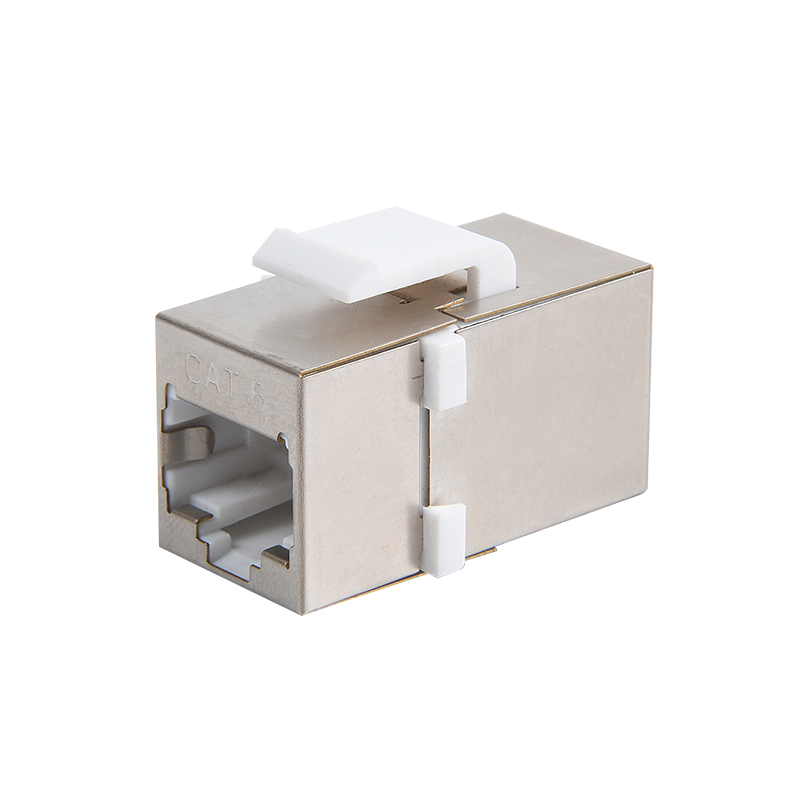
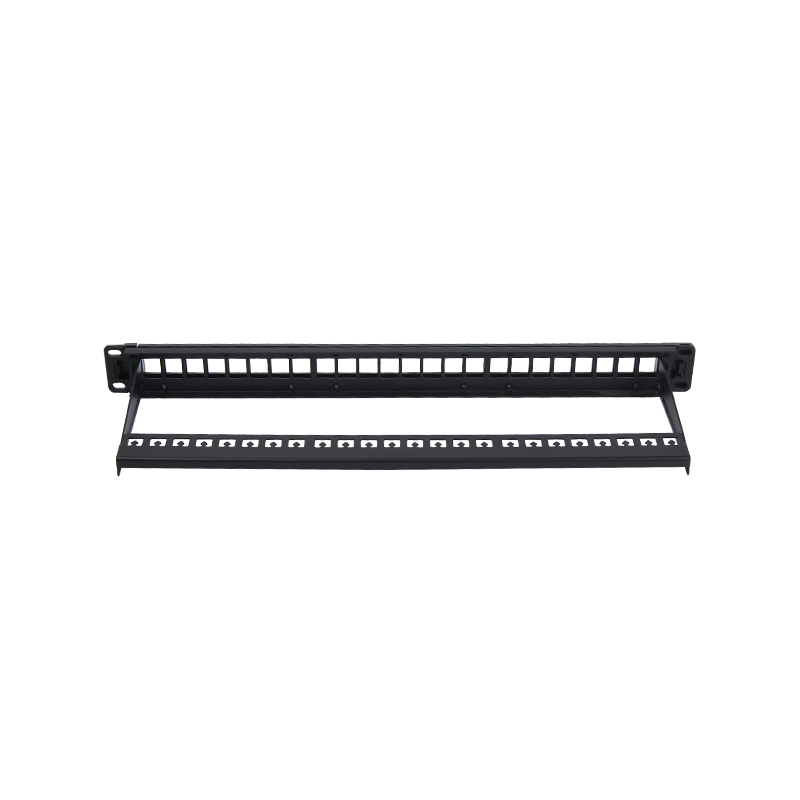
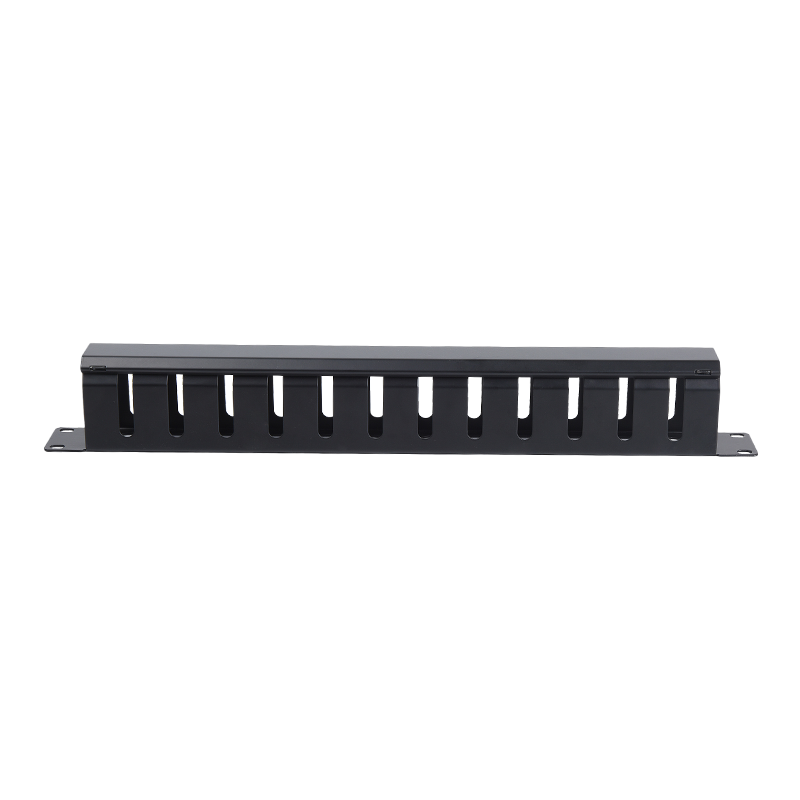
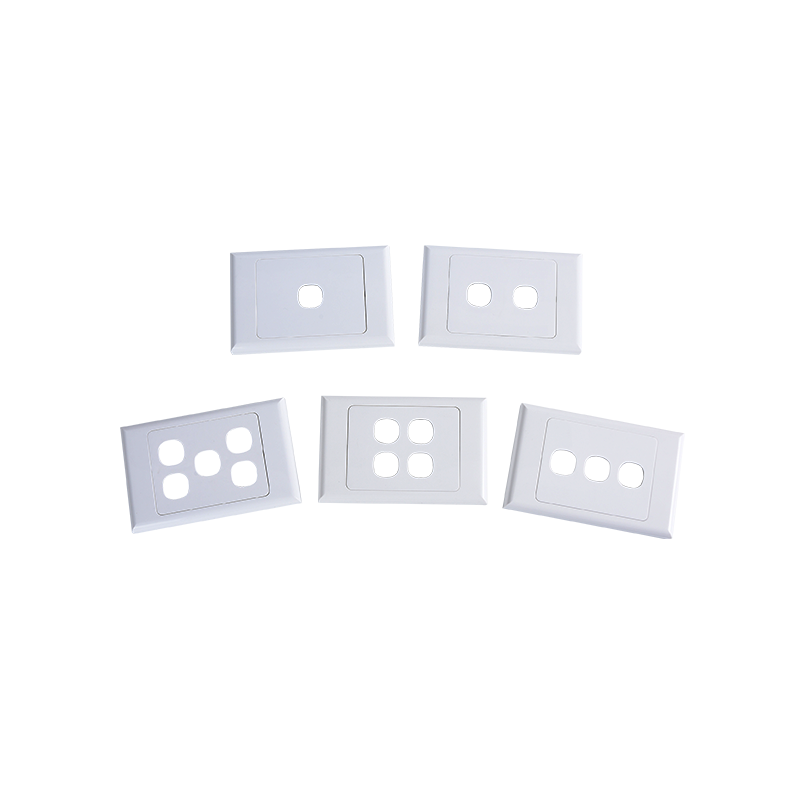
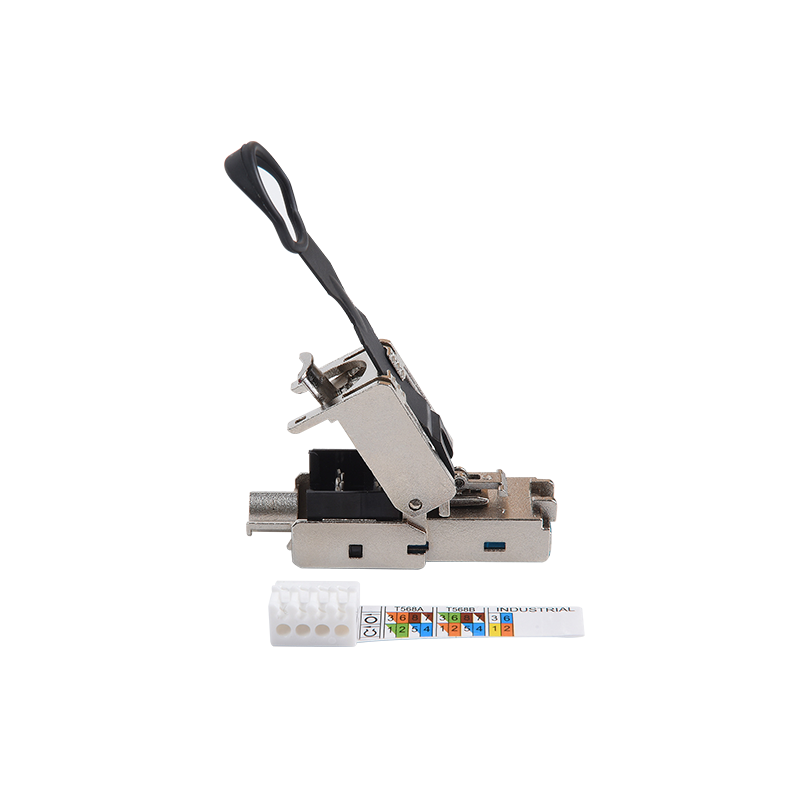
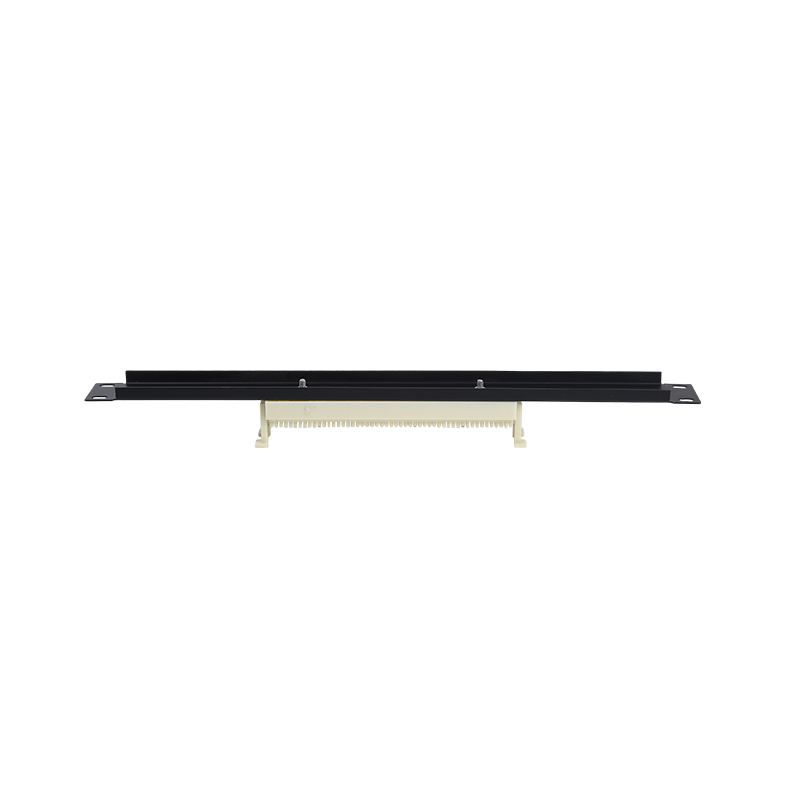
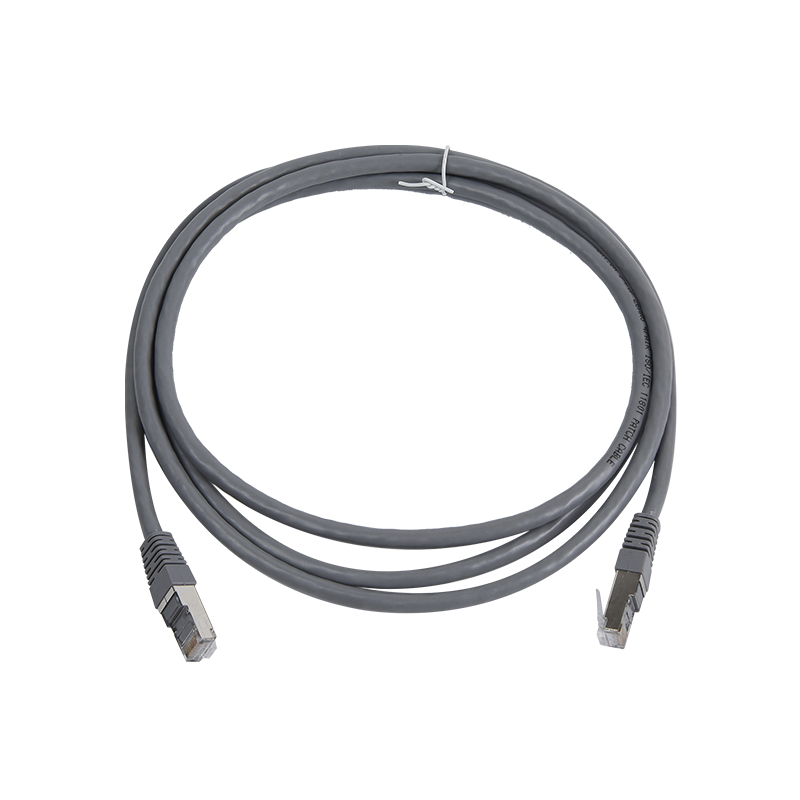
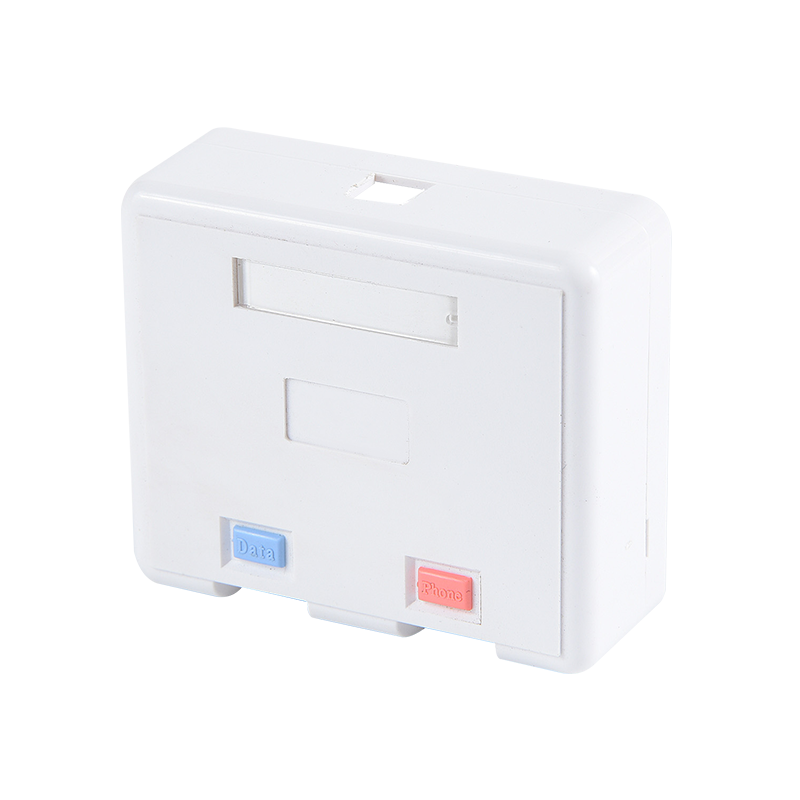
We specialize in network cabling solutions and optical fiber products integrating design, development, sales and service.
Based on the mature research and development system, the quality stability of Simante has been guaranteed at the design source. We have more than 10 engineers and over 30 full-time technical persons who continue to provide their professional value in the position, improving quality and promoting product update.
Simante provides specialized integrated solutions for customers to ensure it meets the customer's requirement. Welcome to visit.
Introduction
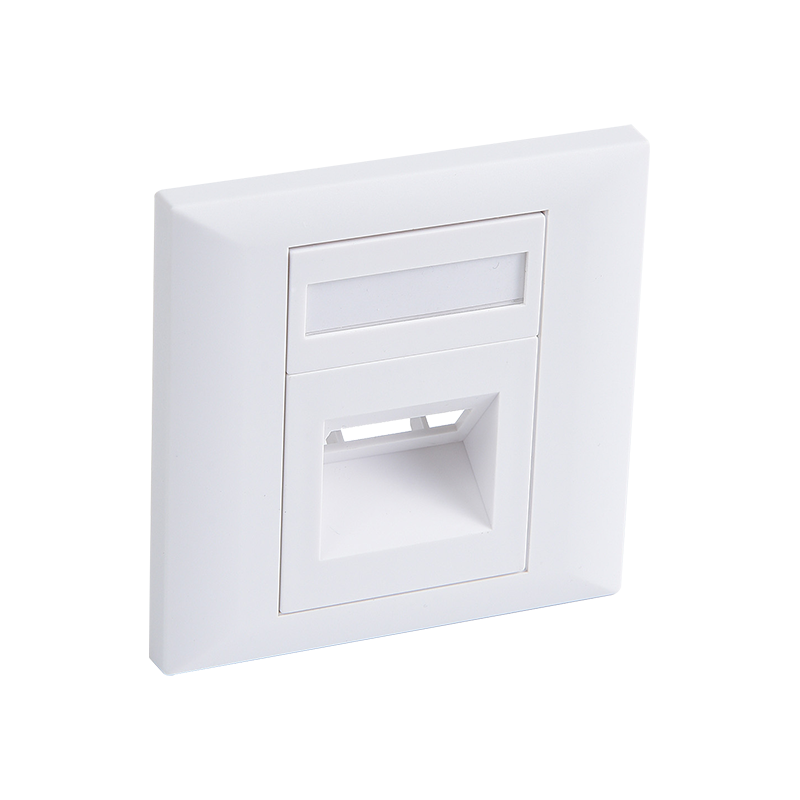
Most dual port faceplates use a modular, snap-in keystone design: the plate itself is just a carrier, and installers press in whichever keystone jacks the job calls for — Cat5e, Cat6, Cat6A, shielded, or fiber adapters — after the cable has already been terminated on the bench or in the wall. That separation between plate and jack is what makes the format so flexible; the same faceplate body can carry two data ports today and be reconfigured to one data port and one fiber port later without replacing the wall hardware.
Faceplates are typically offered in a low-profile, screw-mounted finish that fits standard single-gang wall boxes, mud rings, or surface-mount boxes for retrofit jobs where opening the wall isn't practical. Label windows above or beside each port let technicians write or print port IDs that match patch panel and floor plan documentation, which matters as soon as a building has more than a handful of drops.
Applications
Dual port faceplates show up anywhere a work area needs more than one live connection but a single-gang footprint is preferred for appearance or space reasons:
- Office workstations needing a data line and a VoIP phone line from one outlet
- Conference rooms with a data port for a laptop and a second port for AV/control equipment
- Home theaters and smart-home hubs combining Ethernet and coax or fiber drops
- Hotel guest rooms and hospital nurse stations where two independent devices share one plate
- Classrooms and retail POS counters that need a data port plus a spare for future use
Specifications
| Material | Flame-retardant PC/ABS plastic (UL 94V-0) |
| Port count | 2 modular ports (keystone, SC/LC, or mixed) |
| Port compatibility | Standard keystone footprint, fits most third-party jacks |
| Frame size | Single-gang (US) or 86×86 mm (UK/EU) |
| Mounting | Wall box, mud ring, or surface-mount box |
| Color options | White, ivory, black; custom colors on OEM orders |
| Label window | Yes, with clear insert and blank label card |
| Fire rating | UL 94V-0 flame-retardant |
| Operating temperature | -10°C to 60°C |
Installation Tips
Mount the faceplate to a wall box or mud ring with the included screws, keeping at least the manufacturer's minimum bend radius on any twisted-pair cable behind the plate — sharp bends right at the jack are the most common cause of early failures. Dress slack cable into a loose loop behind the box rather than compressing it, and label each port before closing the wall up.
Troubleshooting & FAQ
Most faceplate issues trace back to the jack, not the plate itself — a loose keystone snap-in, a mis-wired pair, or a bent contact. Reseat the jack fully, verify wiring against T568A/B, and test with a cable certifier before assuming the plate is faulty.
- Q: What's the difference between a dual port and single port faceplate?
- A: A single port faceplate carries one keystone or fiber adapter; a dual port faceplate carries two, letting one wall box serve two independent connections without adding a second box.
- Q: Can I mix RJ45 and fiber ports on one faceplate?
- A: Yes. Most dual port faceplates use a universal keystone cutout, so a copper RJ45 jack and a fiber SC/LC adapter can sit side by side on the same plate.
- Q: Do all keystone jacks fit standard faceplates?
- A: The vast majority do, since keystone dimensions follow a widely adopted industry footprint. It's still worth checking a sample jack against the plate before a large order.
- Q: How do I mount a faceplate without an in-wall box?
- A: Use a surface-mount box instead of a flush wall box. It attaches directly to the wall or baseboard and accepts the same keystone-style faceplate.
- Q: What is the maximum cable bend radius behind a faceplate?
- A: For unshielded twisted-pair cable, keep bends to at least four times the cable's outer diameter; shielded cable typically needs a slightly larger radius to avoid damaging the shield.
- Q: Are UK and US faceplates interchangeable?
- A: No. UK/European plates use an 86×86 mm frame and often a Euro-module snap-in system, while US plates use a single-gang footprint sized for US wall boxes — the two are not physically interchangeable.
- Q: How should I label the ports correctly?
- A: Match each port label to the corresponding patch panel port and cable ID recorded during termination, so the wall outlet and the rack documentation always agree.
- Q: Can a dual port faceplate support PoE devices?
- A: Yes — the faceplate and jack are passive components, so PoE current passes through them the same way data does. What matters is that the cabling category and switch support the PoE class in use.