Español
 عربى
عربى русский
Content
When building modern, efficient office, educational, or commercial spaces, the neat management of cables and interfaces is crucial for enhancing both aesthetics and functionality. In the professional cabling field, a frequently mentioned key component is the "surface mount box."
Core Concept of Surface Mount Boxes
A surface mount box is a mounting enclosure specifically designed for non-embedded cabling environments. Its primary function is to provide a standardized, easy-to-install termination interface for various cables used for data communication, power transmission, and audio/video signals.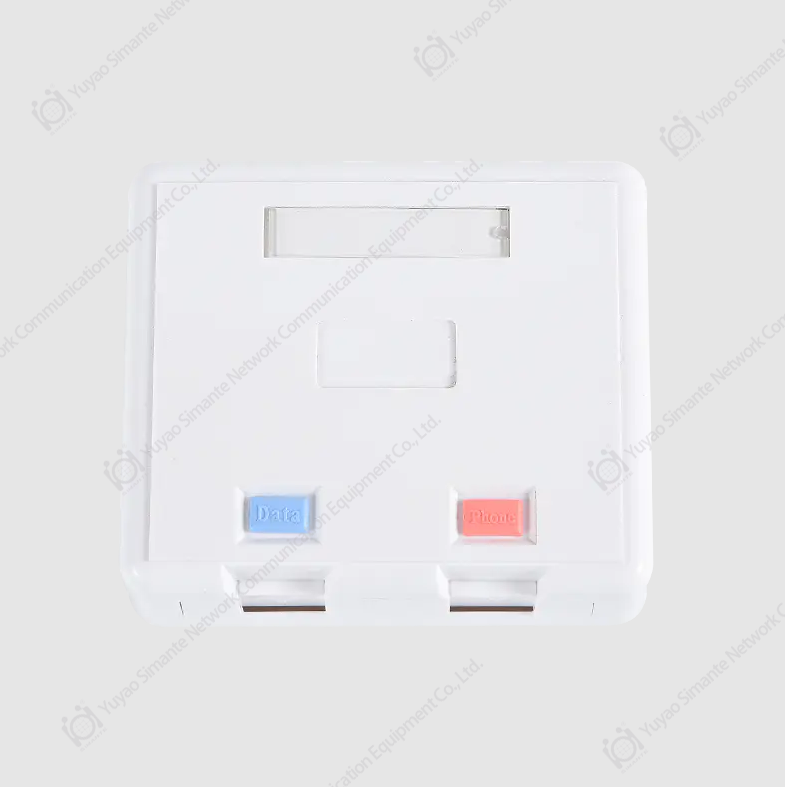
Core Advantages and Functions
Flexible Installation: Unlike traditional in-wall recessed junction boxes, surface mount boxes can be directly mounted on wall surfaces, floor cable trays, partitions, or equipment housings without requiring extensive wall demolition. This makes them suitable for renovation projects or building structures where pre-embedded cabling is not feasible.
Cable Termination and Protection: It provides a secure termination point for exposed cables, concealing complex wiring harnesses within the box and exposing only standardized interface modules (such as RJ45, HDMI, USB, power sockets, etc.) externally, significantly improving system stability and security.
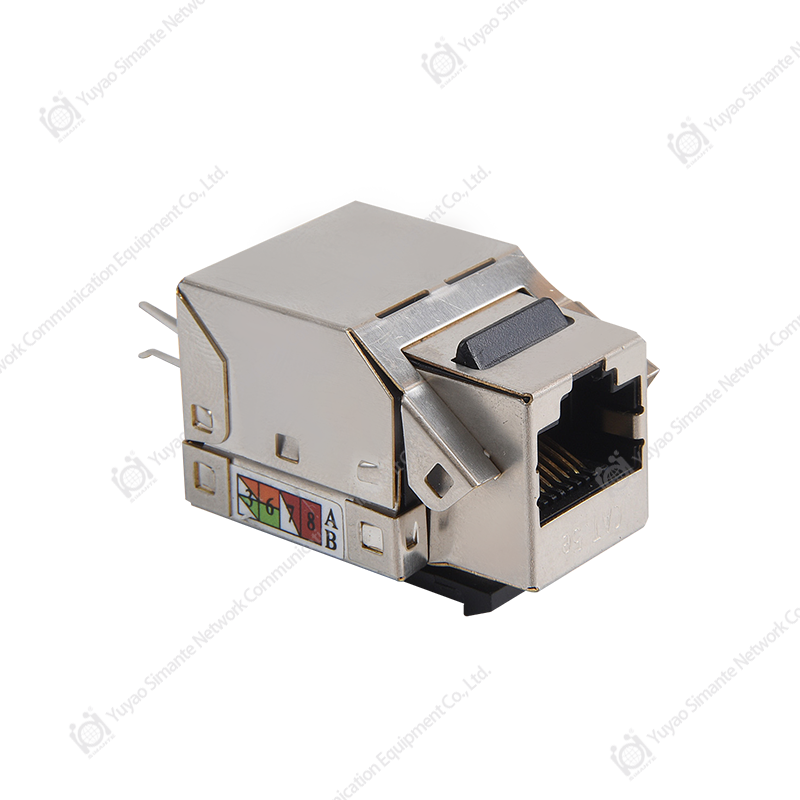
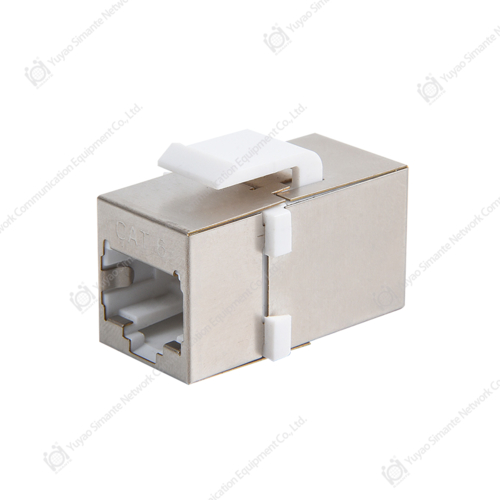
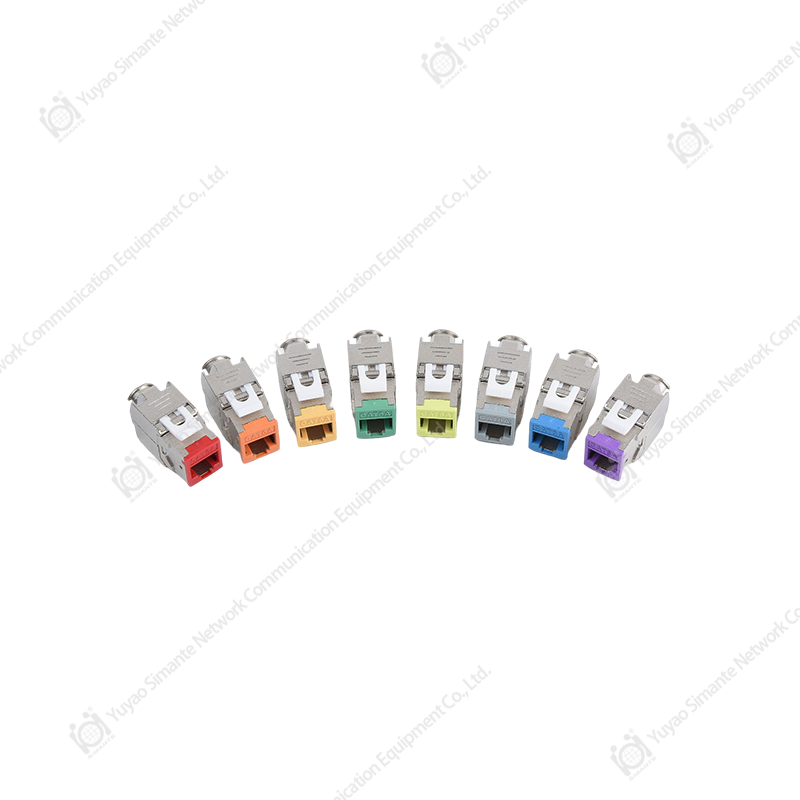
Standardization and Modularization: High-quality surface mount boxes typically employ a modular design, compatible with various standard interface sockets (such as Keystone Jack modules), allowing users to flexibly configure interface types and quantities according to their actual needs.
Enhanced Aesthetics: Unified surface mount boxes for interface management effectively solve the problem of messy cables in office areas, making the entire environment look more professional and tidy.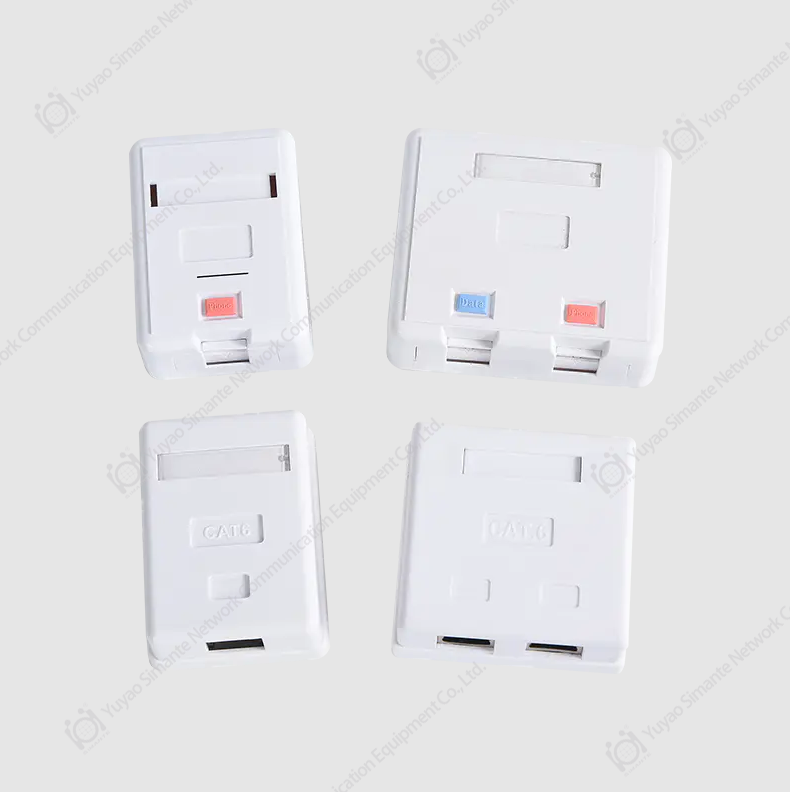
Application Scenarios of Surface Mount Boxes in Modern Integrated Systems
Whether in smart classrooms, video conference rooms, control centers, or data centers, surface mount boxes are the foundation of cabling systems.
Office Environments: Used under workstations or on partition walls, providing data network and power interfaces to meet employees' needs for network connectivity and device charging.
Multimedia Conference Rooms: Near projectors or displays, surface mount boxes integrate audio and video input interfaces such as HDMI and VGA, allowing presenters to quickly connect laptops or mobile devices for presentations.
Security Monitoring: Often used to terminate PoE (Power over Ethernet) network cables in corners or on pillars where IP cameras are installed, ensuring stable equipment operation.
Smart Home: Surface mount boxes (SMBs) serve as interface points for centralized control panels or sensor networks, enabling efficient system deployment.
How to Choose the Right SMB?
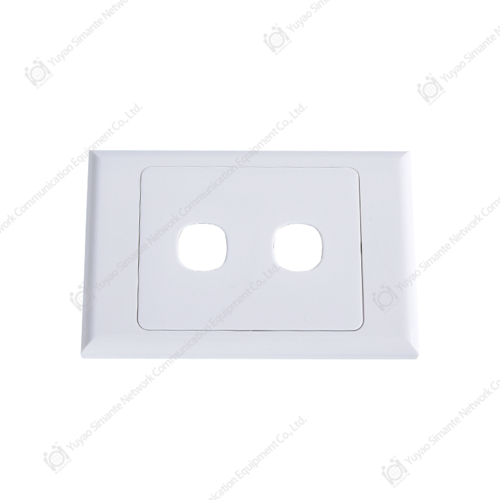
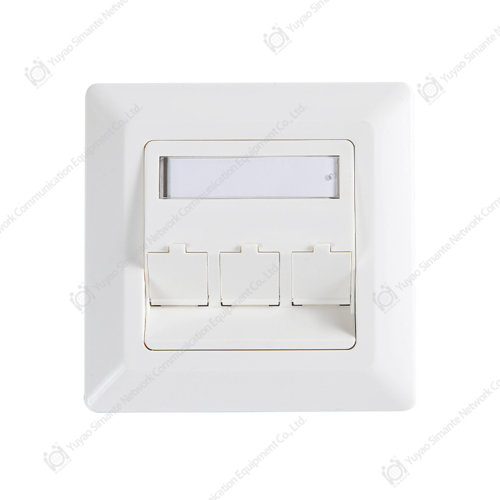
Port Capacity: Choose a single-port, dual-port, or multi-port model based on the number of devices you need to connect.
Material and Durability: High-quality SMBs should be made of high-strength, flame-retardant engineering plastics to ensure safety and reliability over long-term use.
Internal Space: Sufficient internal cabling space is necessary to ensure that cable bending radii meet standards and prevent signal attenuation.
Interface Compatibility: Confirm that the box is fully compatible with the network modules, telephone modules, or other audio/video modules (such as Keystone Jacks) you plan to use for quick and seamless installation.
As the "face" and "connection point" of the cabling system, the surface mount box, though small in size, is fundamental to ensuring the efficient and stable operation of the entire system. Choosing a high-quality SMB is a necessary investment to achieve professional and aesthetically pleasing cabling.