Español
 عربى
عربى русский
Content
In modern building low-voltage cabling and home network upgrades, we often hear the technical term "surface mount box." While it may be unassuming in appearance, it's a core component for achieving neat and efficient cable management.
What is a Surface Mount Box?
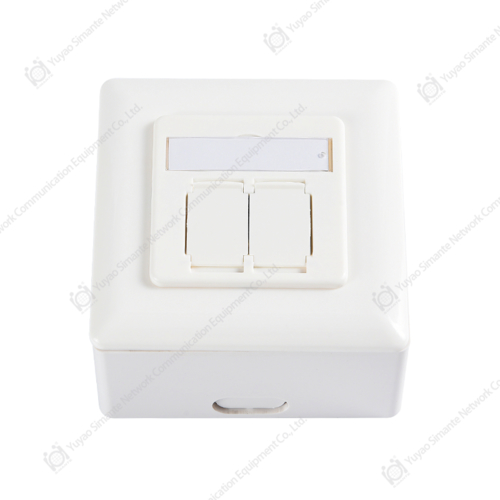
A surface mount box, also commonly known as an exposed junction box, is a protective enclosure used to mount network sockets, telephone jacks, or other communication modules onto a wall surface.
Unlike traditional recessed junction boxes (buried inside the wall), surface mount boxes are directly fixed to the wall, furniture, or ceiling. They are typically used with data modules (such as Cat6 modules) to provide a secure termination point for network cables and protect internal connections from physical damage.
Core Uses of Surface Mount Boxes
Surface mount boxes are indispensable in various scenarios, with key applications including:
Environments where wall recessing is impossible: In concrete walls, brick walls, or rented office spaces, chiseling into the wall to install recessed boxes is laborious and can damage the structure. In these situations, surface mount boxes are the best alternative.
Network Expansion and Addition: When adding new network ports to an existing room, surface-mount boxes allow for quick deployment.
Temporary Cabling Projects: In exhibitions, temporary offices, and other similar settings, surface-mount boxes offer high flexibility and easy removal later.
Industrial and Laboratory Environments: In laboratories or factories where wiring requires frequent adjustments, surface mounting facilitates maintenance.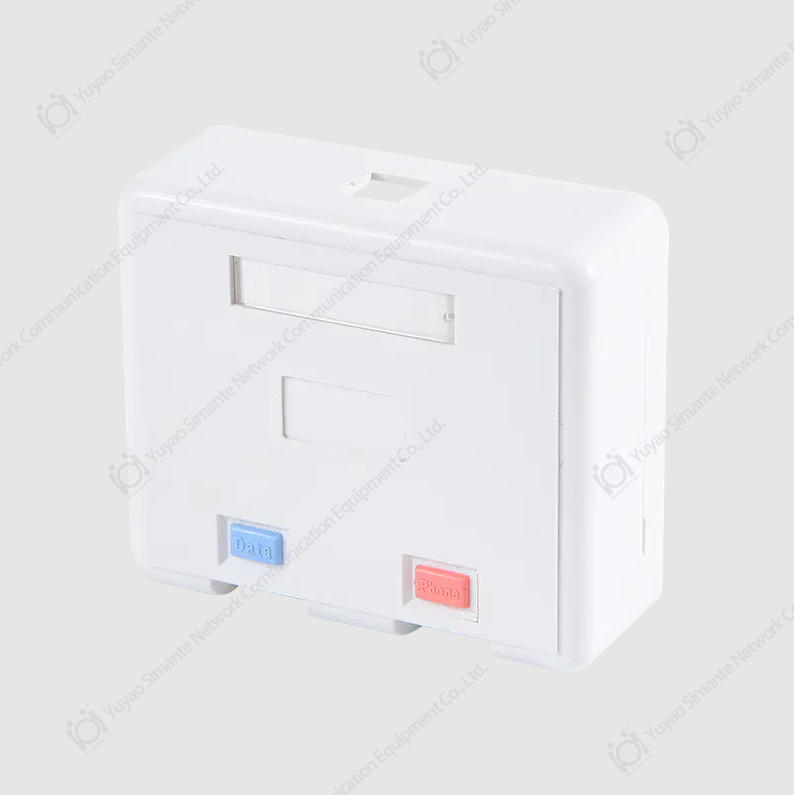
Common Surface Mount Box Types and Applications:
Single Port Surface Mount Box
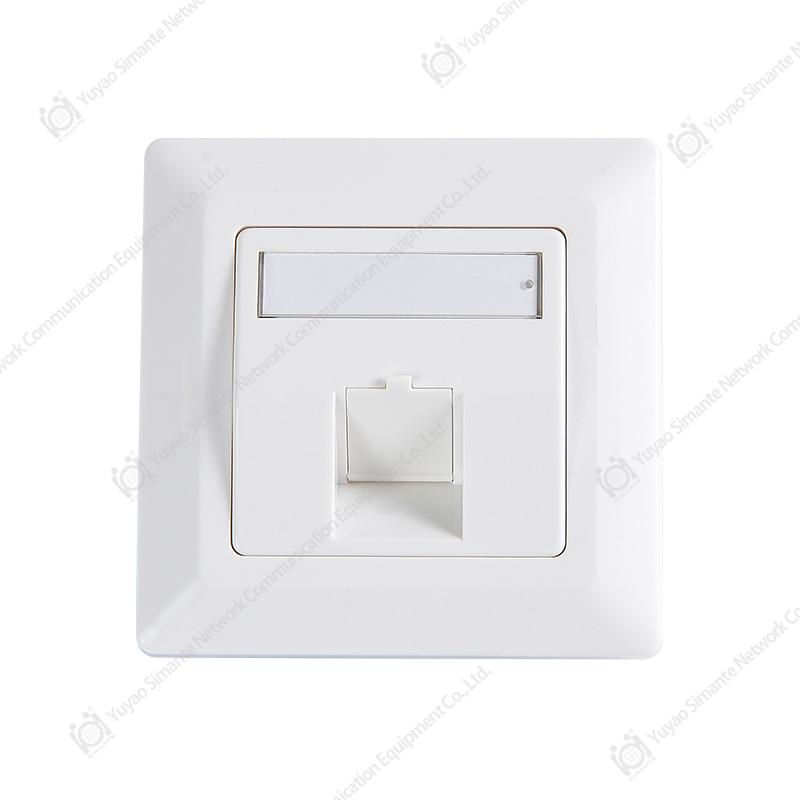
This is the most common entry-level model, featuring only one module interface. Its compact size and discreet design make it ideal for personal workstations, single network access points in bedrooms, or confined spaces.
Dual Port Surface Mount Box
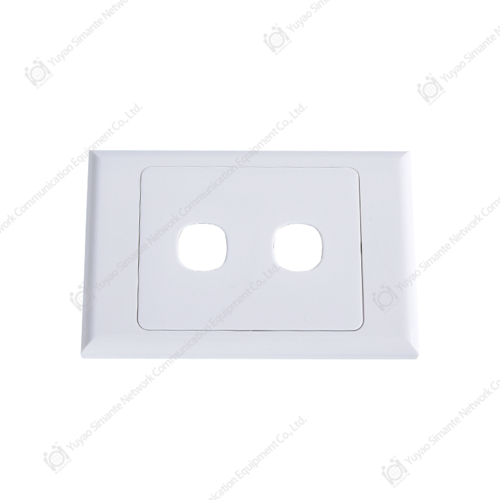
This type of box has two module mounting positions, providing two network connections simultaneously, or a combination of a network interface and a telephone interface. It is the preferred choice for standard office desktop cabling, capable of accommodating simultaneous access for computer hosts and IP phones, and is currently the most frequently used specification in commercial environments.
Multi-port Surface Mount Boxes (4/6 ports and above)
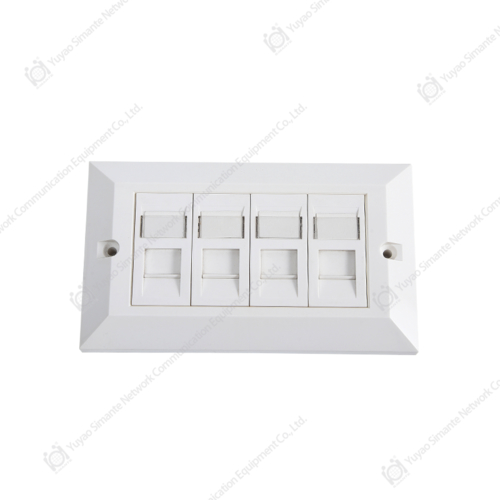
Multi-port Surface mount boxes are primarily used in areas with dense cabling. They allow for centralized management of multiple network nodes and are commonly found in auxiliary cabling near small server racks, central aggregation points in multimedia labs, or areas behind home theaters where game consoles, smart TVs, and media players need to be connected simultaneously.
Key Considerations for Choosing a High-Quality Surface Mount Box
To ensure a stable and aesthetically pleasing cabling system, consider the following when selecting a surface mount box:
Material Durability
High-quality boxes typically use flame-retardant ABS plastic, which is impact-resistant and does not easily discolor.
Compatibility
Confirm that the box supports standard Keystone modules, as this will determine if you can easily replace different types of plugs.
Installation Ease
Observe whether it has self-adhesive backing or pre-drilled screw holes. A built-in dust cover design can effectively extend the module's lifespan.
Cable Space
The internal space should be spacious enough to allow for sufficient bending radius of cables, preventing signal damage.
Surface mount boxes are an efficient, flexible, and cost-effective solution in modern cabling projects. Whether in home office renovations or the rapid expansion of business networks, it acts as a bridge, bringing order to messy cables.