Español
 عربى
عربى русский
Content
- 1 What Is a Faceplate Used For?
- 2 What Is a Faceplate Made Of?
- 3 What Can a Faceplate Protect?
- 4 What Types of Interfaces Are Available on a Faceplate?
- 5 Is a Faceplate Easy to Install?
- 6 FAQ About Faceplate
- 6.1 What is the difference between a faceplate and a wall plate?
- 6.2 Can faceplates be painted to match wall colors?
- 6.3 Are all faceplates the same size?
- 6.4 How do I choose the right faceplate material?
- 6.5 Do faceplates affect network performance?
- 6.6 Can I install a faceplate without an electrical box?
A faceplate is a flat, protective cover plate mounted on a wall or equipment surface that provides access to electrical, data, or communication interfaces while shielding internal wiring and components from dust, moisture, and physical damage. It serves as the visible interface between users and the hidden infrastructure behind walls, desks, or machinery.
Faceplates are commonly found in residential, commercial, and industrial settings. In homes, they appear as wall plates for power outlets, light switches, and Ethernet ports. In data centers, they organize fiber optic and copper cable terminations. In industrial machinery, they protect control panels and instrumentation from environmental hazards.
What Is a Faceplate Used For?
Faceplates serve multiple functional and organizational purposes across different environments. Their primary uses include providing safe access to connections, organizing cable infrastructure, and maintaining aesthetic consistency in interior spaces.
Residential and Office Applications
In buildings, faceplates cover electrical boxes and low-voltage mounting brackets. A standard single-gang faceplate measures approximately 2.75 inches by 4.5 inches, while double-gang versions measure 4.56 inches by 4.5 inches. These standardized dimensions ensure compatibility with North American electrical boxes.
Data and Telecommunications
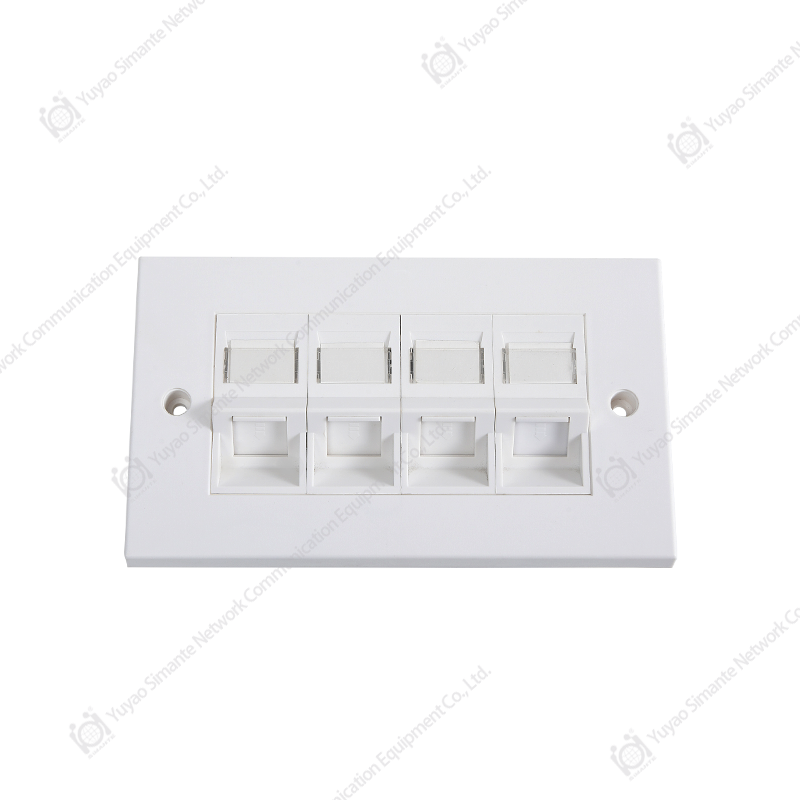
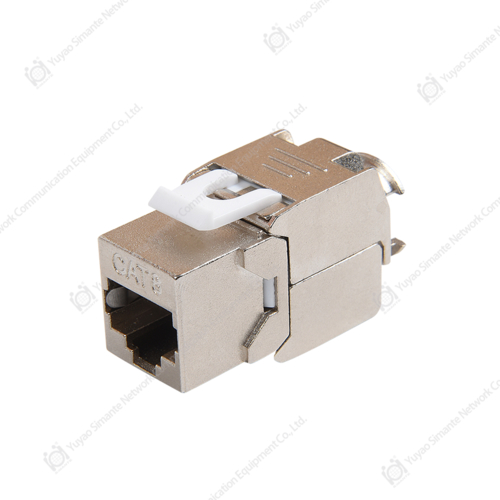
In networking, faceplates terminate structured cabling systems. A typical office workstation faceplate includes 2 to 4 RJ45 ports for voice and data. According to TIA-568 standards, these plates ensure proper cable management and reduce electromagnetic interference when grounded correctly.
Industrial and Equipment Use
Industrial faceplates protect HMI (Human-Machine Interface) screens, control buttons, and indicator lights on manufacturing equipment. These heavy-duty plates often carry IP65 or IP67 ratings, indicating complete dust protection and resistance to water jets or temporary immersion.
What Is a Faceplate Made Of?
Faceplate materials are selected based on application requirements including durability, aesthetics, chemical resistance, and cost. The most common materials include thermoplastics, metals, and specialized composites.
| Material | Properties | Common Uses |
|---|---|---|
| ABS Plastic | Lightweight, economical, easy to mold | Residential outlets, data ports |
| Polycarbonate | High impact resistance, UV stable | Outdoor enclosures, industrial panels |
| Nylon | Chemical resistant, durable | Harsh environments, chemical plants |
| Stainless Steel | Corrosion resistant, hygienic | Food processing, medical facilities |
| Aluminum | Lightweight, good EMI shielding | Audio/video equipment, RF applications |
For specialized applications, faceplates may incorporate flame-retardant additives meeting UL94 V-0 standards, or antimicrobial coatings for healthcare environments. Metal faceplates typically range from 0.8mm to 1.5mm in thickness, while plastic variants are generally 2mm to 3mm thick to achieve comparable rigidity.
What Can a Faceplate Protect?
Faceplates provide critical protection for both internal infrastructure and end-users. Their protective capabilities extend across physical, environmental, and electrical domains.
Physical Protection
Faceplates shield internal wiring from accidental impact, abrasion, and tampering. In high-traffic areas, metal or reinforced polycarbonate faceplates withstand impacts that would crack standard plastic alternatives. Wall-mounted faceplates prevent cables from being pulled or snagged, reducing the risk of connection failures.
Environmental Protection
Sealed faceplates with gaskets protect against dust, moisture, and chemical exposure. Outdoor-rated faceplates typically achieve IP44 or higher ratings, blocking objects larger than 1mm and water splashing from any direction. In wash-down environments, stainless steel faceplates with silicone gaskets prevent water ingress that could cause short circuits.
Electrical Safety
Electrical faceplates prevent accidental contact with live terminals. Non-conductive plastic faceplates provide dielectric strength exceeding 15kV/mm, while metal faceplates must be properly grounded to prevent shock hazards. Tamper-resistant faceplates with sliding shutters protect children from inserting objects into outlets.
What Types of Interfaces Are Available on a Faceplate?
Modern faceplates accommodate a wide range of interfaces, from traditional power connections to advanced fiber optic terminations. The specific configuration depends on application requirements and industry standards.
Electrical Interfaces
- NEMA 5-15 standard 15A, 125V outlets (North America)
- NEMA 5-20 20A, 125V outlets for high-power equipment
- GFCI (Ground Fault Circuit Interrupter) outlets for wet locations
- USB-A and USB-C charging ports integrated into wall plates
Data and Communication Interfaces
- RJ45 jacks for Cat5e, Cat6, and Cat6a Ethernet (supporting up to 10 Gbps)
- RJ11/RJ12 connectors for telephone and analog voice lines
- LC, SC, and ST fiber optic adapters for single-mode and multimode fiber
- HDMI, DisplayPort, and VGA pass-through modules for AV installations
Audio and Specialized Interfaces
- XLR, TRS, and RCA connectors for professional audio systems
- BNC connectors for video and RF applications
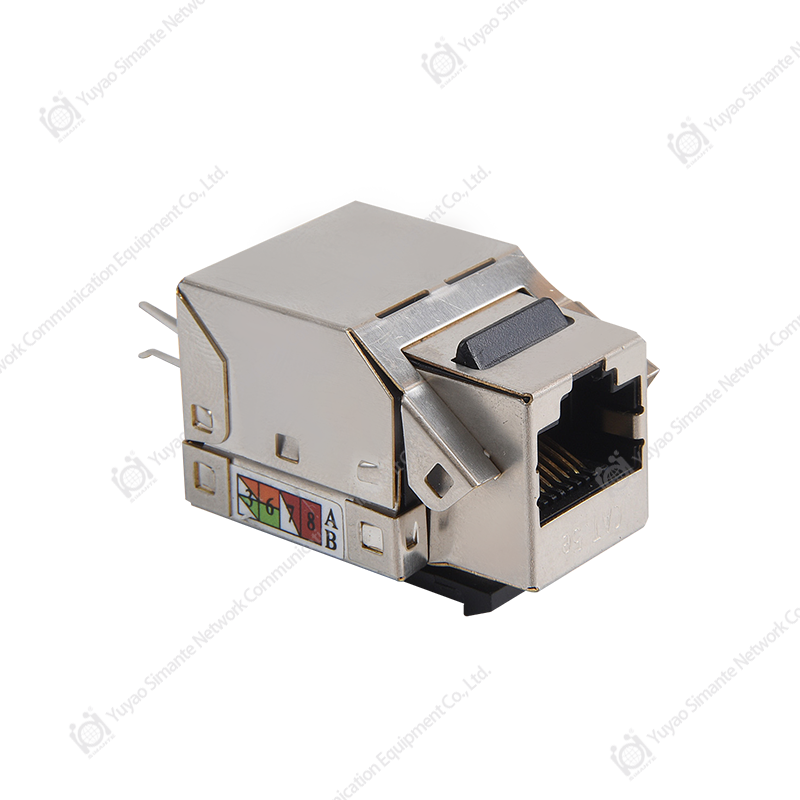
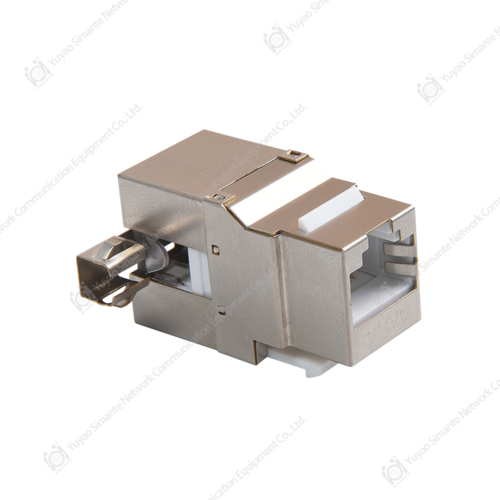
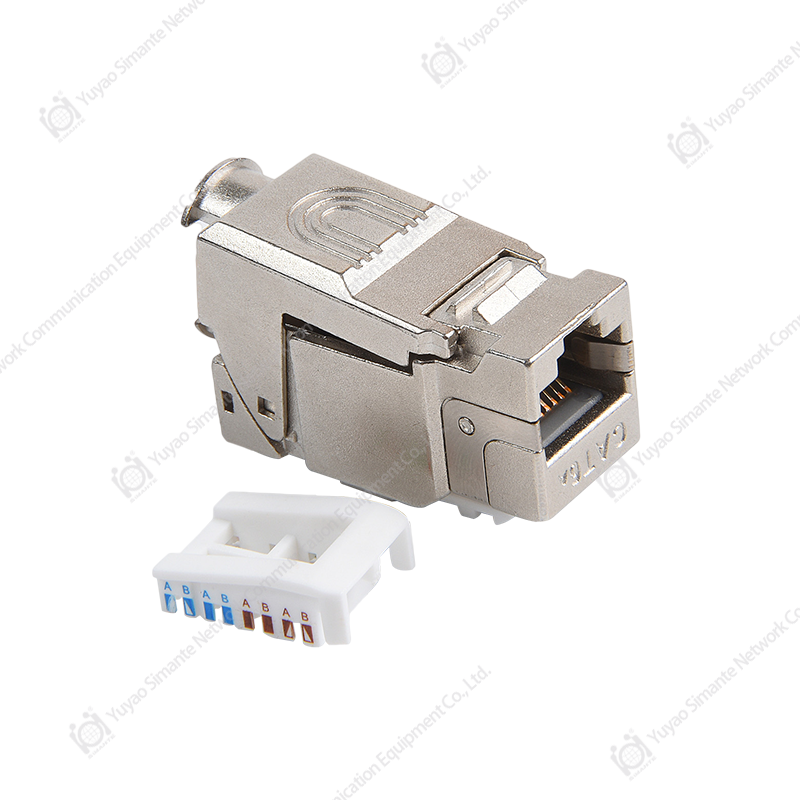
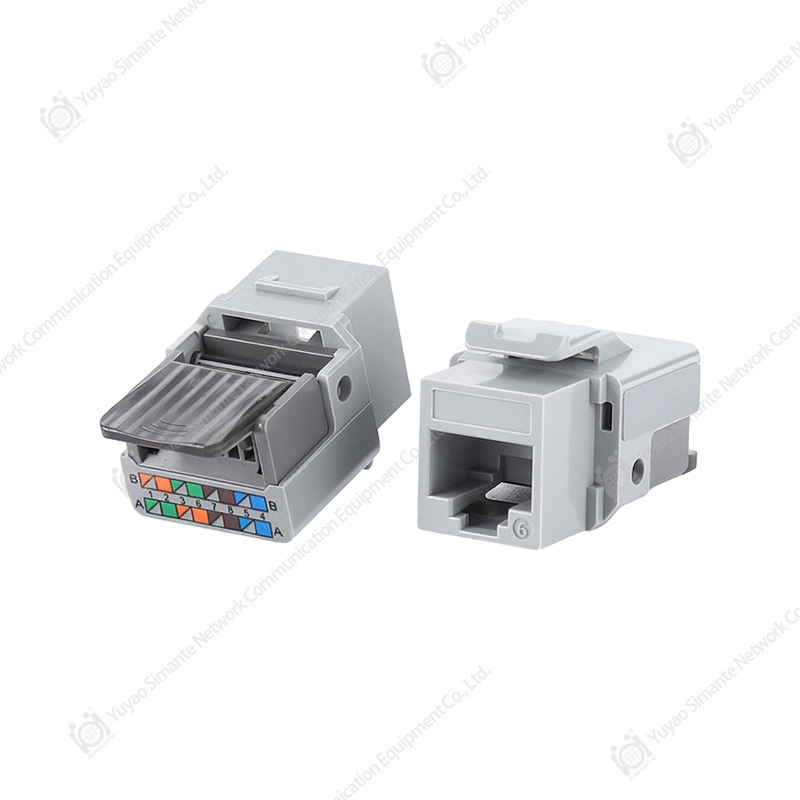
- Keystone modular inserts allowing custom port combinations
Modular faceplate systems using keystone jacks allow users to mix and match interface types within a single plate. A standard single-gang faceplate accommodates up to 3 keystone ports, while a double-gang plate holds 6 ports.
Is a Faceplate Easy to Install?
Yes, most faceplates are designed for straightforward installation requiring only basic tools. However, complexity varies significantly between simple wall plate replacement and new structured cabling installations.
Basic Replacement Installation
Replacing an existing faceplate is a 5- to 10-minute task requiring only a flathead or Phillips screwdriver. The process involves turning off power at the circuit breaker, removing the old plate's mounting screws, disconnecting wires if replacing the receptacle, and securing the new plate. No specialized training is required for cosmetic replacements.
New Installation Requirements
Installing a faceplate in a new location requires mounting an electrical box or low-voltage bracket to wall studs or drywall. Electrical faceplate installations must comply with NEC (National Electrical Code) requirements, including proper box fill calculations and grounding. Low-voltage data faceplates are less regulated but require cable termination skills. Punching down Cat6 cables to a keystone jack takes approximately 3 to 5 minutes per wire for an experienced installer.
Tools Required
- Screwdriver (flathead and Phillips)
- Wire stripper (for electrical installations)
- Punch-down tool (for data terminations)
- Cable tester (recommended for data verification)
- Drywall saw (for cutting new openings)
- Level (to ensure plate alignment)
Snap-in faceplate designs have simplified installation by eliminating the need for screws entirely. These plates use spring-loaded tabs that lock into standard electrical boxes, reducing installation time by approximately 40% compared to traditional screw-mounted plates.
FAQ About Faceplate
What is the difference between a faceplate and a wall plate?
The terms are often used interchangeably, but "faceplate" typically refers to the cover component itself, while "wall plate" may describe the entire assembly including the mounting bracket or electrical box. In networking contexts, "faceplate" specifically refers to the front plate of a patch panel or workstation outlet.
Can faceplates be painted to match wall colors?
Yes, most plastic faceplates can be painted using spray paint formulated for plastics. However, metal faceplates should not be painted if they serve as grounding conductors. Some manufacturers offer paintable faceplates with a smooth, receptive surface specifically designed for customization.
Are all faceplates the same size?
No, faceplates come in multiple standardized sizes. The most common are single-gang (2.75" x 4.5"), double-gang (4.56" x 4.5"), and triple-gang (6.38" x 4.5"). International markets use different standards; for example, European faceplates typically measure 86mm x 86mm for single-gang applications.
How do I choose the right faceplate material?
Select ABS plastic for standard indoor residential use where cost is a priority. Choose polycarbonate for high-impact areas or outdoor exposure. Use stainless steel in food service, medical, or corrosive environments. Aluminum is preferred when EMI shielding is required for sensitive audio or RF equipment.
Do faceplates affect network performance?
The faceplate itself has minimal impact, but poor termination quality within the plate can degrade signal integrity. Cat6 faceplates must maintain proper wire pair separation and twist preservation to support 250 MHz bandwidth up to 100 meters. Always use faceplates rated for the cable category you are installing.
Can I install a faceplate without an electrical box?
Low-voltage faceplates for data and telephone can use low-voltage mounting brackets that clamp directly to drywall without a full electrical box. However, electrical power faceplates must always be installed in an approved electrical box per NEC requirements to contain sparks and prevent fire hazards.