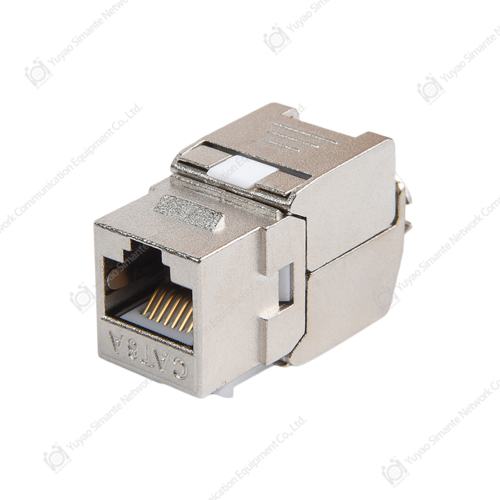
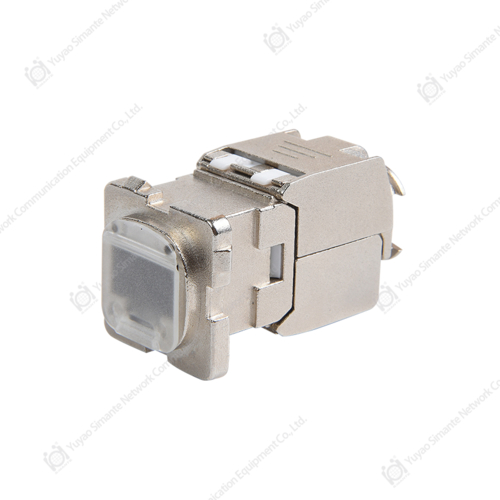
Español
 عربى
عربى русский
Content
In modern network communication engineering, patch panels act as the "traffic commander," connecting vertical general cabling and horizontal cabling. Whether in large data centers or enterprise office intranets, managing cables and ensuring transmission stability are indispensable.
1. Data Centers and Core Computer Rooms
In high-density cabling environments like data centers, patch panel systems are essential equipment.
Management Complexity: Data centers have thousands of fiber optic cables and twisted-pair cables. Using fiber optic patch panels or network patch panels isolates device ports from lengthy cables, facilitating later maintenance.
Protecting Device Interfaces: Frequent plugging and unplugging can cause wear and tear on the ports of expensive equipment such as switches. Using patch panels for patch cord connections ensures that all wear and tear occurs at the patch panel end, extending the lifespan of core equipment.
2. Structured Cabling in Office Buildings
In typical enterprise office environments, structured cabling systems typically use a star topology.
Vertical and Horizontal Subsystem Connections: Patch panels in the floor's telecommunications room connect the vertical backbone cables from the low-voltage shaft to the horizontal cabling leading to employee workstations.
Flexible Workstation Adjustment: When employee locations change or departments expand, network administrators can quickly migrate network ports simply by replacing patch cords on the patch panel, eliminating the need to re-lay long-distance cabling. This flexibility is a key advantage of a well-designed patch panel deployment.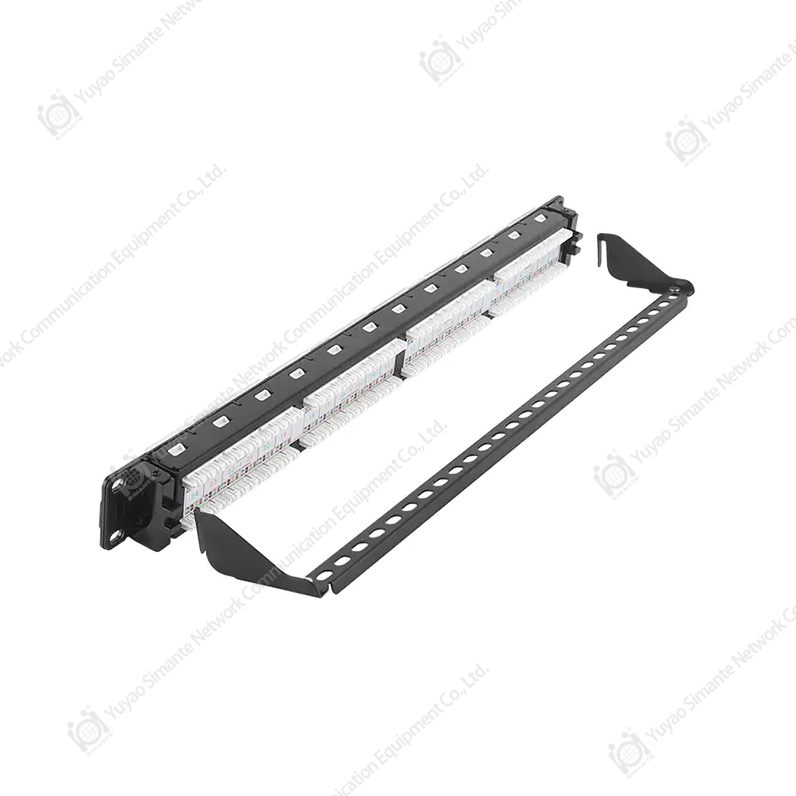
3. Industrial Automation and Smart Buildings
With the development of Industry 4.0 and the Internet of Things (IoT), patch panel applications have extended to factories and smart buildings.
Interference-resistant Cabling: In industrial scenarios, shielded patch panels (STP) are typically used to effectively resist electromagnetic interference and ensure accurate transmission of sensor data and control signals.
Low-Voltage System Integration: Low-voltage signals from surveillance video, access control systems, building automation, etc., are usually aggregated and uniformly labeled and managed on patch panels within cabinets.
Core Advantages of Patch Panels
Patch panels are not only the carrier of physical connections but also the core of efficient network management. Its advantages are mainly reflected in the following aspects:
Excellent maintenance efficiency: Ports have clear numerical or color-coded labels, making troubleshooting network faults or conducting line inspections easy and significantly reducing network outage repair time.
High networking flexibility: Supports quick switching of logical connections via patch cords, adapting to departmental relocations or equipment expansions without rewiring, meeting the needs of frequent business changes.
Clean and secure environment: When used with a cable manager, it completely eliminates the "spider web" mess inside the server rack, improving the heat dissipation environment and reducing the risk of physical damage caused by tangled cables.
Protecting core equipment: All plugging and unplugging operations are completed at the patch panel end, effectively avoiding hardware wear caused by directly operating server or switch ports, extending the lifespan of expensive equipment.
The patch panel is not only a carrier of physical connections but also the core of efficient network management. Depending on the transmission medium, users can flexibly choose 110-type patch panels, modular patch panels, or fiber optic terminal boxes to build a robust and easily expandable cabling system. Selecting a high-quality patch panel is a key step in building a reliable infrastructure.
If you are planning the network construction or server room renovation for a new office, proper configuration of patch panels will save you a lot of subsequent operating costs.