Español
 عربى
عربى русский
Content
SFP+ ports are now standard on most enterprise switches and many server NICs. When you need 10Gbps, you can choose a direct-attach copper (DAC) cable, an optical module, or a 10G copper SFP+ module. The last option is often the most convenient for facilities that already have Cat6a copper cabling, but it also raises the most questions. Simply put, a 10G copper SFP+ transceiver plugs into a standard SFP+ cage and delivers 10GBASE-T signals over an RJ45 connection. This article walks through what it is, how it works, how it compares with DAC and fiber, which structured cabling components you need, and what to verify before purchase. The headline is simple: use 10G copper SFP+ for reaches up to 30 meters over Cat6a/7, and choose DAC or fiber when latency, heat, or longer reach matter more.
What Is a 10G Copper SFP+ Module?
A 10G copper SFP+ module, sometimes listed as a 10GBASE-T SFP+ transceiver, is an active pluggable module that adapts a switch SFP+ port to a twisted-pair copper network. Inside the standard SFP+ housing is a 10GBASE-T PHY, an RJ45 connector, isolating magnetics, and support circuitry. It accepts 10GBASE-T data on the line side and presents an SFP+ electrical interface to the host. Unlike a passive DAC cable, it contains active electronics and therefore consumes power and generates heat. Most modules support Cat6a or Cat7 twisted-pair cable with a maximum link length of 30 m, and many also negotiate 10M/100M/1G/10G speeds for easy integration with older endpoints.
- Interface: standard SFP+ MSA footprint; RJ45 on the cable side
- Data rate: 10GBASE-T (IEEE 802.3an)
- Cable: Cat6a or Cat7 twisted-pair copper
- Typical reach: 30 meters
- Power consumption: 2 to 3 W, depending on vendor and temperature
How Does a 10G Copper SFP+ Work?
A 10G copper SFP+ works by converting the high-speed serial signal used inside the switch into the more complex line signal required by twisted-pair cable. The host switch sends a differential electrical signal to the module; the internal PHY applies echo cancellation and crosstalk cancellation, then encodes the data using a line code such as PAM-16 with LDPC forward error correction. The signal passes through the magnetics and RJ45 connector onto four twisted pairs. The remote device performs the reverse conversion. This processing is what separates copper modules from direct-attach cables, and it has three practical consequences: higher power draw, slightly higher latency, and a shorter maximum reach of 30 m in the SFP+ form factor.
- The host transmits data to the SFP+ connector.
- The internal PHY applies line coding and signal conditioning.
- The module sends the signal through an RJ45 jack onto the twisted pairs.
- The far-end module receives, decodes, and passes the data to its host.
Because the PHY does significant digital signal processing, latency is several microseconds, while DAC and short-range optical modules usually stay below one microsecond. Power consumption also affects switch cooling. In a high-density switch, each port at 2.5 W can raise the thermal load noticeably, so plan airflow before deployment.
10G Copper SFP+ vs. DAC vs. Fiber: Key Differences
The best way to understand where 10G copper SFP+ fits is to compare it with the other two common options: SFP+ DAC cables and optical SFP+ modules. Distance and power are usually the first screening criteria, and both quickly separate DAC from optical solutions. Copper SFP+ sits in the middle because it brings RJ45 flexibility but spends extra power on signal processing. The chart below uses relative scores from 0 to 100 to illustrate the typical strengths of each technology in five practical dimensions. Keep in mind that these scores are directional, not exact datasheet values.
Relative Performance Scores (Higher = Better)
Looking at the distance bar, fiber is far ahead because it can run from 100 meters to several kilometers depending on the module. Copper SFP+ earns a moderate score for 30-meter reaches, while DAC is clearly limited to short in-rack jumps. In terms of power efficiency, DAC performs best, fiber is close behind, and copper SFP+ consumes noticeably more power per port. On cost efficiency, DAC usually wins for short distances because there are no optical components or additional cable installation. Copper SFP+ can still be cost-effective when the Cat6a infrastructure already exists, since you avoid new fiber construction. Fiber has the highest material cost when you include modules and patch panels, but its scalability is unmatched. For flexibility, copper SFP+ scores highest because it connects to existing RJ45 outlets, patch panels, and faceplates, allowing ports to be repurposed easily. DAC cables are pre-terminated and rigid, making them less flexible outside a rack row. Optical fiber is flexible across longer distances but requires separate fiber routing and more careful handling. Latency shows the biggest difference: fiber and DAC are both very low, while copper SFP+ adds PHY processing delay, which can matter for high-frequency trading or tightly coupled compute clusters. For most enterprise traffic, however, that added delay is negligible compared with network buffering and application response times. So the chart points to a clear rule: choose copper SFP+ when you already have Cat6a/7 wiring within 30 meters; choose DAC for very short, low-power links; choose fiber when distance, density, or latency dominate.
| Parameter | Copper SFP+ | DAC | Optical SFP+ |
|---|---|---|---|
| Max distance | 30 m on Cat6a/7 | 1 to 3 m | 100 m or more |
| Typical power | 2 to 3 W | under 0.5 W | about 1 W |
| Connector | RJ45 | Fixed twinax | LC duplex |
| Latency | Microseconds | Sub-microsecond | Sub-microsecond |
| Best use | Existing Cat6a network | Top-of-rack to server | Longer backbone links |
Where a 10G Copper SFP+ Makes Sense
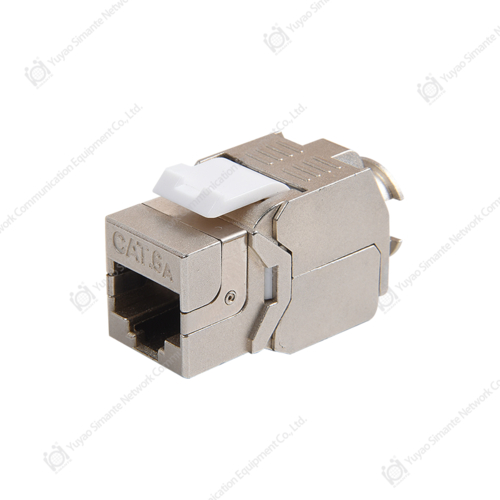
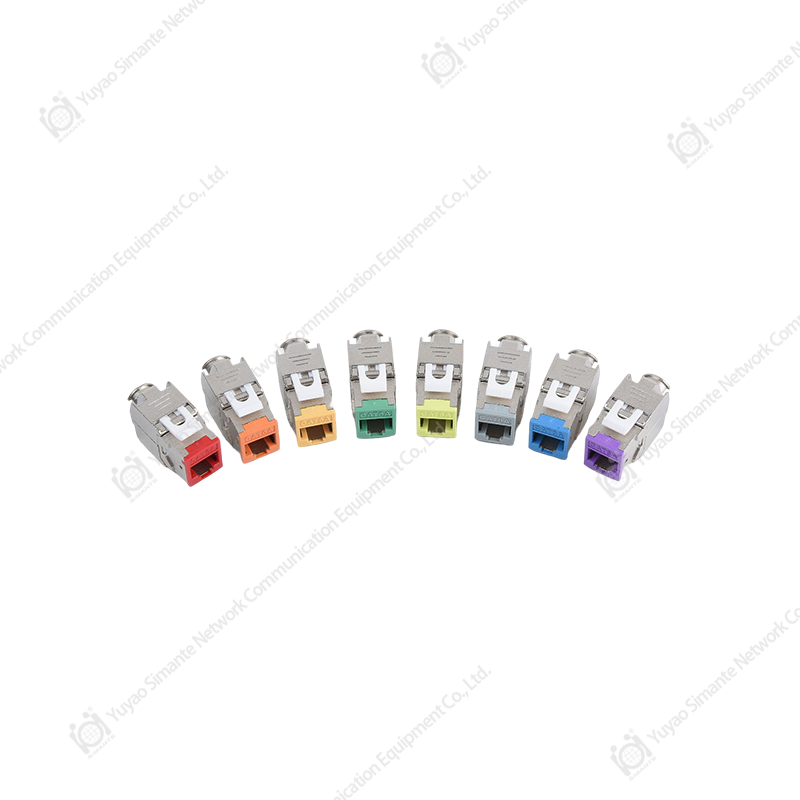 Shielded CAT6A Toolless Keystone Jack for 10G UpgradesWhen using copper SFP+ over existing Cat6a within 30 meters, these shielded keystone jacks ensure the termination meets 10-gigabit channel standards and avoid link failure.View Product →
For existing buildings with Cat6a horizontal cabling, a 10G copper SFP+ at both ends lets you upgrade to 10G without re-pulling cable. Typical places include an open-plan office where each desk can receive 10G to a workstation or a multimedia device, and a data room where the distance from the core switch to the access switch is under 30 m. It is also practical for a campus building with a centralized wiring closet and Cat6a runs inside the room. Another strong fit is small and medium-sized businesses that want 10G at a predictable cost while keeping a standard telecom room layout. You should avoid copper SFP+ in high-density data center top-of-rack designs because of thermal accumulation, and in links beyond 30 m where fiber is the natural answer. The keystone jacks used in these scenarios should be rated for 10 gigabit channels and terminated carefully, because a poor termination turns an otherwise good 30 m link into a failure.
Choosing Structured Cabling for 10GBASE-T SFP+
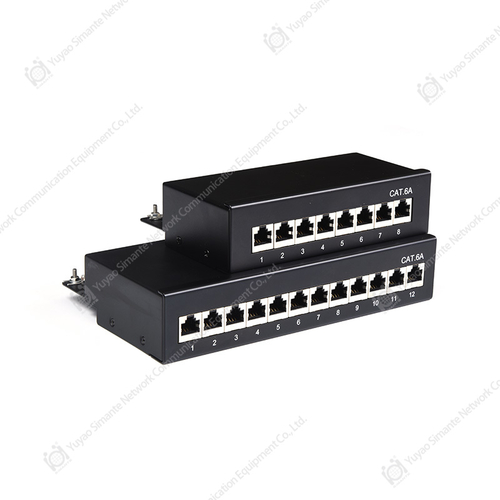
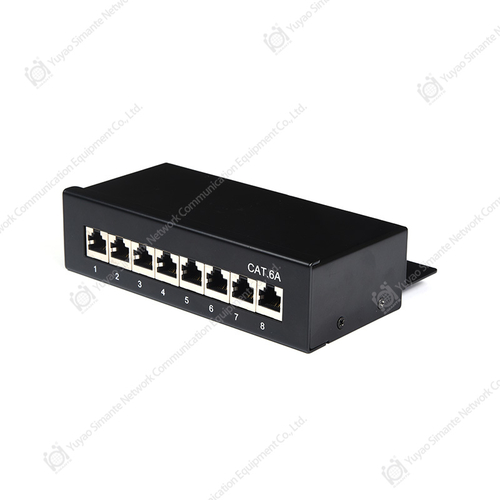 Shielded and Unshielded CAT6A Patch Panels for 10GBASE-T LinksA reliable 10G link requires every connector in the path to meet Cat6a specs; these patch panels provide low insertion loss and proper category support for stable performance.View Product →
A 10GBASE-T SFP+ link is only as good as the entire cabling channel. You need more than Cat6a cable; every connector in the path counts. Start with a Cat6a or Cat7 horizontal cable that meets the TIA or ISO standards. Then make sure the patch panel supports the same category and has low insertion loss. On the wall side, use a Cat6a keystone jack with stable gold plating and proper insulation displacement contact (IDC) termination. Patch cords should be factory-made Cat6a/7 cables, preferably shielded if the environment has electromagnetic interference. Avoid using Cat5e patch cords or old Cat5e wall outlets, because they will create a weak segment and may cause the link to downshift to 1G. Also pay attention to cable bending radius and bundle stuffing, since severe stress on a Cat6a cable will distort its performance.
A deeper look at Cat6 patch panel functions can help you estimate port density and termination style before you design the telecom room. The same principle applies to patch cords: factory-terminated Cat6a jumpers reduce the risk of poor field workmanship.
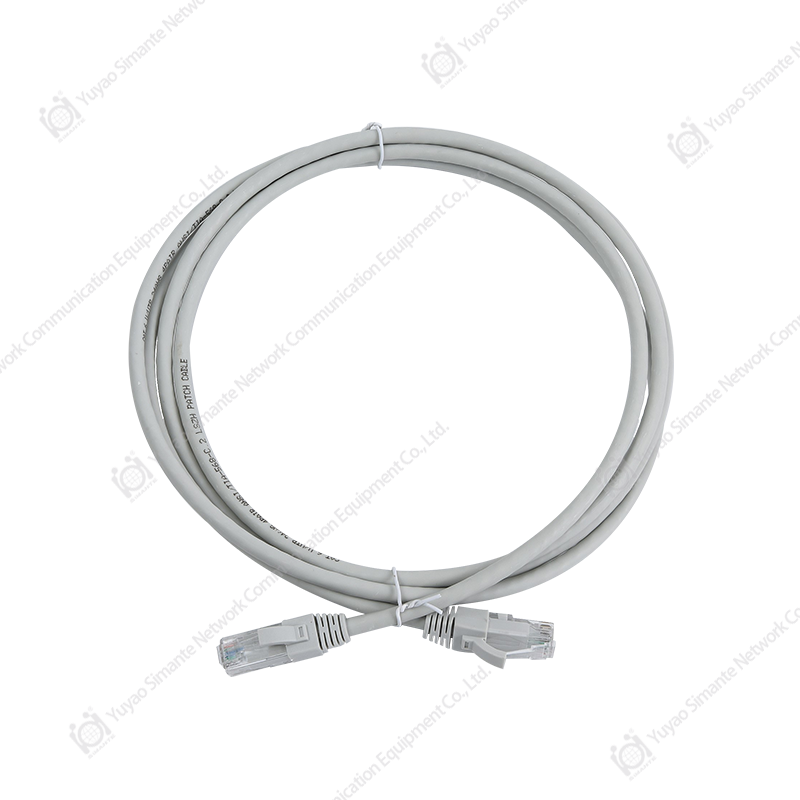 Factory-Terminated CAT6A S/FTP and UTP Patch CordsFactory-made Cat6a patch cords reduce the risk of poor field workmanship and maintain the cabling channel integrity needed for reliable 10GBASE-T operation.View Product →
Key Buying Considerations for 10G Copper SFP+
Compatibility is the first point to verify. Not every SFP+ port accepts a copper 10GBASE-T module. Some switches support only optical modules or DAC, and some transceiver management features reject third-party modules. Check the switch datasheet and the module's power class, operating temperature range, and supported cable distance. Power and heat come next. A 10G copper SFP+ draws approximately 2 to 3 W; a 24-port switch filled with copper modules can add significant heat inside the chassis. This affects component aging and fan noise in the wiring closet. If you build a low-latency network, choose DAC or optical instead. Copper SFP+ adds microseconds due to PHY encoding and decoding.
When you plan a larger deployment, buy from a supplier that offers consistent quality. Working with a structured cabling manufacturer that has experience in large copper cabling projects can simplify purchasing, improve traceability, and reduce mismatched performance. For wholesalers and distributors, verify that the brand can provide samples, test reports, and reliable lead times, and check that the Cat6a components are compatible with the SFP+ modules you intend to use.
Frequently Asked Questions
What is a 10G copper SFP+ module?A 10G copper SFP+ module is an SFP+ transceiver with an RJ45 interface that transmits 10GBASE-T Ethernet over twisted-pair copper cable, typically Cat6a or Cat7. |
What cable do I need for a 10G copper SFP+?Use Cat6a or Cat7 twisted-pair cable end to end. Cat6 may work in short patch situations but is not a reliable standard solution for the full 30 m link. |
How long can a 10G copper SFP+ link run?The typical maximum reach is 30 m over Cat6a/Cat7 cable when the module is within its rated temperature range. Longer distances usually require optical SFP+ modules. |
Can I use a 10G copper SFP+ with any SFP+ switch?Most switches have a compatibility list. Some SFP+ ports do not support 10GBASE-T copper modules, so confirm power headroom, supported transceiver types, and firmware support first. |
What is the difference between a 10G copper SFP+ and a DAC cable?DAC is a fixed twinax cable with SFP+ connectors on both ends; it consumes less power, is cheaper, and has lower latency, but offers only very short distances. Copper SFP+ uses RJ45 and reaches about 30 m over Cat6a cabling. |
Is 10G copper SFP+ faster than a fiber SFP+?The data rate is the same at 10 Gbps. The difference is in distance, power consumption, latency, and cable type; fiber is better for long distance and low latency, while copper SFP+ is used for conversion to RJ45 copper networks. |
A 10G copper SFP+ works very well when it is used on the right link: existing Cat6a/7 cabling, distances under 30 m, and a need for standard RJ45 connectivity. Its weaknesses are power, latency, and heat, but those are often outweighed by the convenience of an existing copper network. Combined with reliable Cat6a modules, patch panels, patch cords, and proper layout, it can deliver stable 10GbE without fiber infrastructure. Before you start, verify switch compatibility and thermal budget, design the channel end to end, and compare the real deployment density before deciding between copper SFP+, DAC, and optical SFP+.